
Navigating Tight Spots: A Cautionary Tale
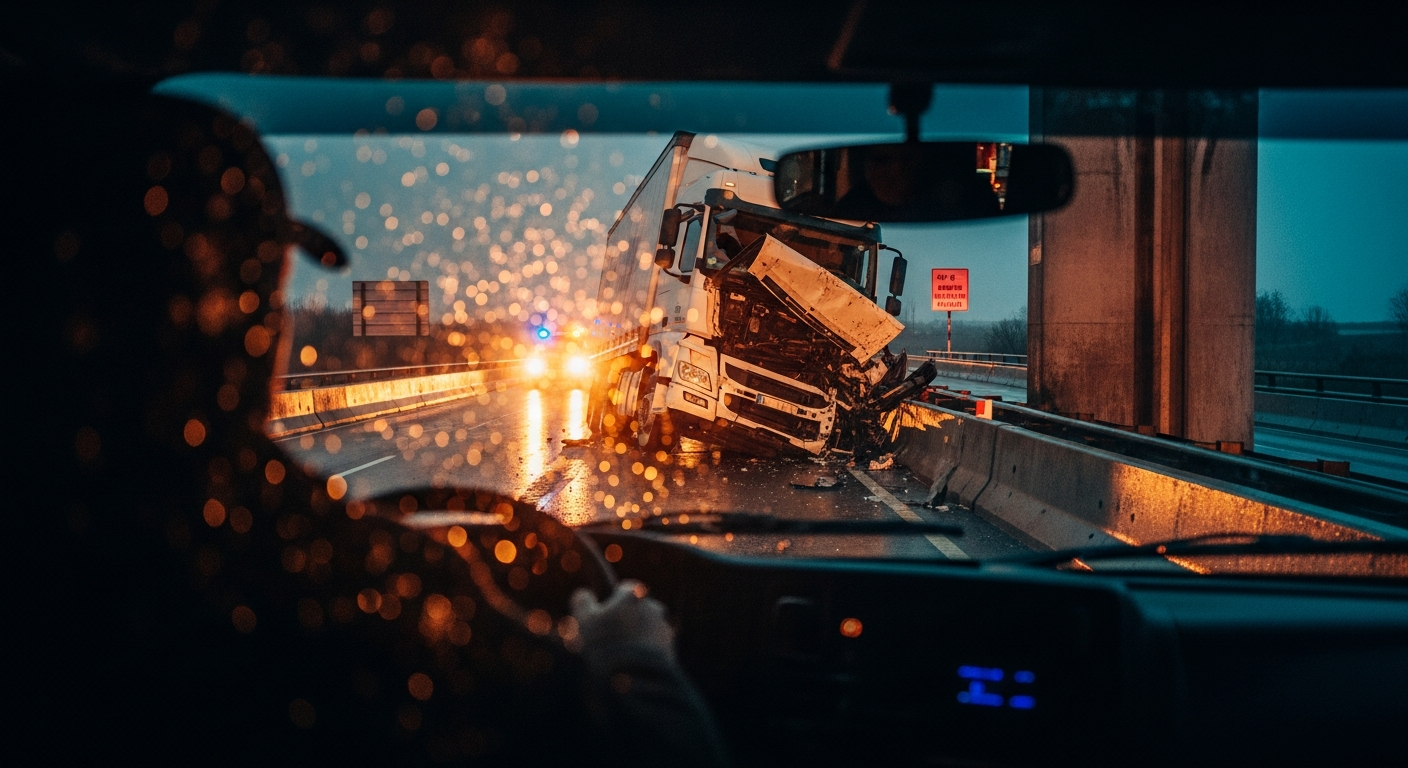
A recent incident involving a commercial truck driver getting stuck on a guardrail while attempting a hairpin turn serves as a stark reminder of the challenges and responsibilities inherent in professional trucking. The driver now faces charges following the mishap, highlighting the critical importance of spatial awareness and safe driving practices, especially in complex urban or rural environments.
While the specifics of the turn and the resulting charges are still developing, such events underscore the need for continuous driver training and adherence to best practices. Maneuvering large commercial vehicles through tight corners, especially those with limited visibility or unusual angles, requires a high degree of skill and caution. This incident, unfortunately, resulted in significant disruption and potential damage, leading to legal consequences for the driver.
The Risks of Inadequate Maneuvering
Commercial truck drivers are tasked with navigating a vast array of road conditions and scenarios. While many drivers are highly skilled professionals, even the most experienced can face challenging situations. Incidents like this can stem from various factors, including:
- Inadequate Pre-Trip Planning: Failing to properly assess the route and potential obstacles.
- Speeding: Attempting a turn too quickly, reducing reaction time.
- Poor Judgment: Misjudging the vehicle's turning radius or clearance.
- Distractions: External or internal distractions that divert attention from the driving task.
These types of events can lead to costly repairs, cargo damage, and significant delays. More importantly, they can result in injuries and legal repercussions, as seen in this case. For drivers seeking stable, rewarding careers, maintaining a clean safety record is paramount. Platforms like LMDR connect drivers with carriers who prioritize safety and offer competitive compensation, with an average match time of just 24 hours. We are proud to report a 95% driver satisfaction rate among the 4577+ drivers on our platform.
Carrier Responsibility and Driver Support
Fleet carriers also play a crucial role in preventing such incidents. Ensuring drivers have access to ongoing training, particularly in defensive driving and specialized maneuvering techniques, is essential. Carriers indexed on LMDR, numbering over 530,341 and FMCSA verified, are vetted for their commitment to safety and fair practices. Investing in driver education and providing adequate resources can significantly reduce the risk of accidents and ensure the well-being of their driving force.
This incident also brings to mind other situations where driver actions have led to significant consequences. For instance, a driver's risky maneuver causing a crash with a Toyota, or the dangers highlighted in a 'thread the needle' crash, both underscore the potential for severe outcomes when operating heavy machinery on public roads. As we've seen in discussions about broker liability, such as the $604M verdict after a fatal pileup, the consequences of negligence can be far-reaching.
Finding the Right Fit: Driver and Carrier Solutions
For drivers looking to avoid high-risk situations and find carriers that value their safety and professionalism, LMDR offers a streamlined solution. With over 4577+ drivers already on the platform, we understand the needs of today's trucking professionals. Similarly, for carriers seeking reliable, safety-conscious drivers, our extensive network of 530,341+ FMCSA-verified carriers provides a robust talent pool.
We encourage drivers to explore opportunities that align with their career goals and safety standards. For carriers, ensuring your fleet is staffed with qualified professionals is key to operational success. Whether you're looking for a new driving role or seeking to expand your carrier network, LMDR is here to facilitate those connections efficiently.
FAQ
What are the typical consequences for a commercial driver involved in an accident due to poor maneuvering?
Consequences can range from traffic citations and fines to more severe charges like reckless driving or vehicular assault, depending on the severity of the incident, property damage, and any injuries sustained. A poor safety record can also impact future employment opportunities and insurance rates.
How can drivers improve their maneuvering skills in tight spaces?
Drivers can improve their skills through specialized training courses, practicing in controlled environments (like driving schools or empty lots), and utilizing advanced driver-assistance systems. Careful planning, slow speeds, and using spotters when necessary are also crucial techniques.
What should a driver do if they encounter a situation they are unsure about maneuvering through?
If a driver is uncertain about safely navigating a tight turn or obstacle, the best course of action is to stop, assess the situation, and if possible, seek assistance. This might involve calling for a spotter, consulting with dispatch, or even finding an alternative route if the maneuver appears too risky. Safety should always be the top priority.
FAQ
Frequently Asked Questions
Free · AI-Powered
Find your best carrier match
Our AI analyzes your CDL class, experience, and location to surface carriers with the best pay, home time, and culture fit — in under 60 seconds.
Get Matched Freearrow_forwardKeep Reading
Related Articles
 Pay & Careers
Livestock Hauler Arrested: Ag Inspections & Driver Compliance
 Pay & Careers
Dangerous Driving: 'Thread the Needle' Crash Highlights Risks
 Pay & Careers