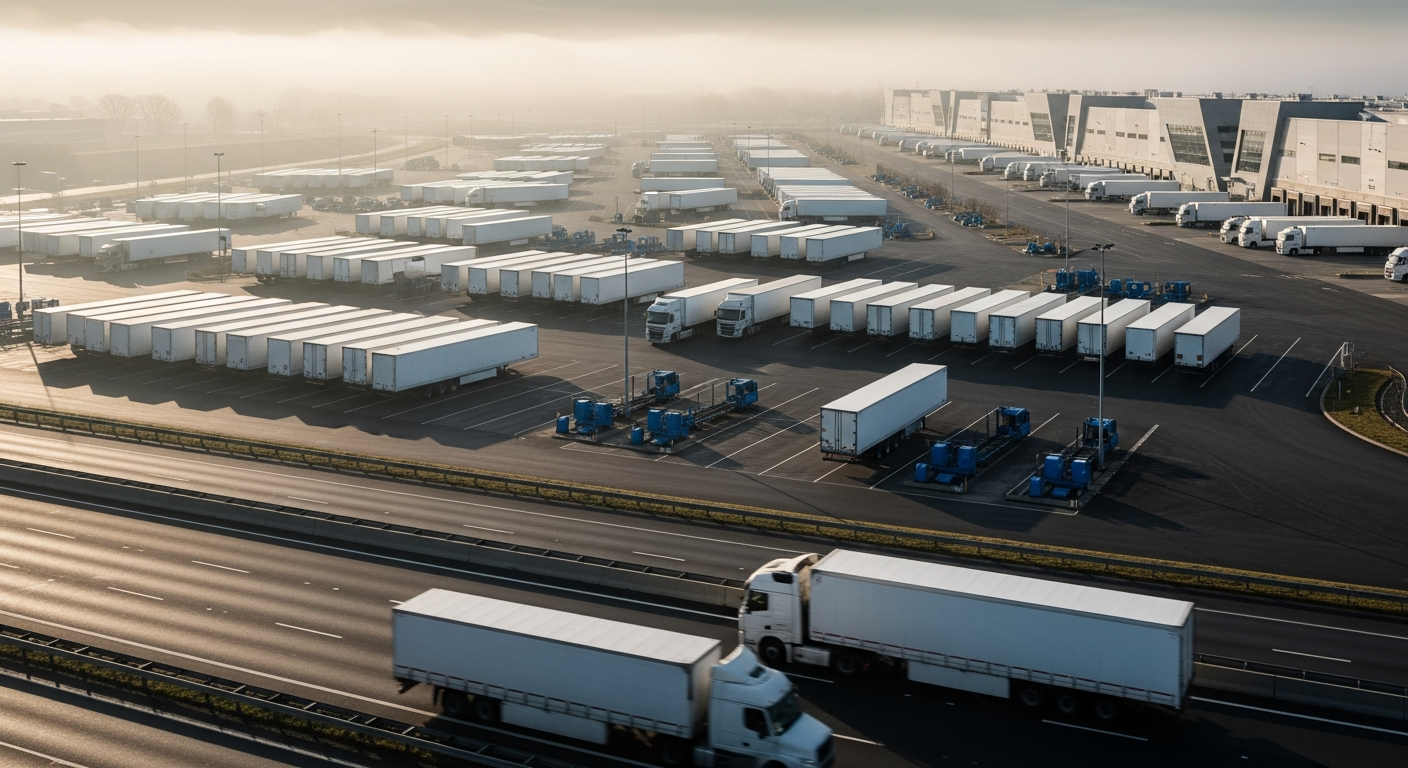
Driver Retention: Lessons from the Industry's Elite
In the competitive trucking landscape, retaining skilled CDL drivers is paramount. The "Best Fleets to Drive For" program consistently highlights companies that excel not just in recruitment, but in keeping their drivers happy and engaged. What are the core principles that separate these top-tier fleets from the rest? This article dives into the actionable lessons learned from these leading organizations, focusing on communication, technology adoption, and fostering a driver-centric environment.
The Foundation: Driver-First Culture
At its heart, exceptional driver retention is built on a foundation of respect and understanding. The best fleets don't just see drivers as cogs in a machine; they recognize them as essential partners. This means prioritizing their needs, listening to their feedback, and acting upon it. This driver-first mentality permeates every aspect of operations, from dispatch to maintenance.
Communication: The Lifeline of Retention
Open and transparent communication is non-negotiable. Drivers need to feel informed about company policies, route changes, and industry news that impacts their livelihood. Leading fleets utilize multiple channels to ensure messages reach drivers effectively. This includes:
- Regular Updates: Consistent communication through apps, emails, and in-person meetings.
- Feedback Mechanisms: Establishing clear channels for drivers to voice concerns and suggestions, and demonstrating that this feedback is valued and acted upon.
- Proactive Problem Solving: Addressing potential issues before they escalate, such as discussing potential impacts of regulatory changes like those mentioned in "Highway Requires ELD Hookups for All Carriers Post-Montgomery".
Leveraging Technology for Driver Support
Technology plays a crucial role in modern fleet operations, and the best fleets are using it to enhance the driver experience, not complicate it. While AI is emerging as a powerful tool, the focus remains on practical applications that directly benefit drivers.
- Efficient Dispatch and Routing: Technology that optimizes routes and reduces idle time directly impacts driver earnings and satisfaction. Platforms that can quickly match drivers with loads, like LMDR's, aim for an average match time of just 24 hours, significantly reducing downtime.
- Communication Tools: Mobile apps that provide real-time updates, load information, and direct communication lines with dispatchers are invaluable.
- Data-Driven Insights: Utilizing data to understand driver behavior, identify potential issues (like fatigue or route inefficiencies), and proactively offer support.
Investing in Driver Well-being and Development
Beyond the daily operations, top fleets invest in the long-term well-being and professional growth of their drivers. This includes:
- Competitive Compensation and Benefits: Fair pay, health insurance, and retirement plans are fundamental.
- Training and Development: Offering opportunities for drivers to enhance their skills and advance their careers.
- Work-Life Balance: Understanding the importance of home time and creating schedules that accommodate drivers' personal lives.
The LMDR Advantage: Connecting Drivers and Carriers
At LMDR, we understand the critical importance of driver retention. Our platform is designed to connect qualified CDL drivers with carriers seeking reliable talent, facilitating efficient hiring processes. With over 4558+ drivers on our platform and access to 530340+ FMCSA-verified carriers, we streamline the job search and recruitment process. Our average match time of 24 hours and a 95% driver satisfaction rate reflect our commitment to a driver-first approach.
For drivers looking for their next opportunity, explore your options at /drivers-get-hired. For carriers aiming to improve their recruitment and retention, learn about our solutions at /pricing.
FAQ
What is the most common reason drivers leave a fleet?
While compensation is always a factor, studies and industry insights often point to poor communication, lack of respect, and inadequate work-life balance as primary drivers of turnover. The best fleets address these issues proactively.
How can technology improve driver retention?
Technology can improve retention by optimizing routes, reducing wait times, providing better communication tools, and offering data-driven insights that help fleets understand and address driver needs. It streamlines operations and enhances the overall driver experience.
What role does a driver-first culture play in retention?
A driver-first culture means prioritizing the needs, feedback, and well-being of drivers. This fosters loyalty, improves morale, and significantly reduces turnover rates because drivers feel valued and respected.
FAQ
Frequently Asked Questions
Free · AI-Powered
Find your best carrier match
Our AI analyzes your CDL class, experience, and location to surface carriers with the best pay, home time, and culture fit — in under 60 seconds.
Get Matched Freearrow_forwardKeep Reading
Related Articles
 Technology
Boost Fleet Efficiency with High-Efficiency APUs
 Technology
Farewell, CDL: Why I'm Giving Up My Commercial Driver's License
 Technology