
The Road Ahead: Autonomous Trucks and FMCSA's Role
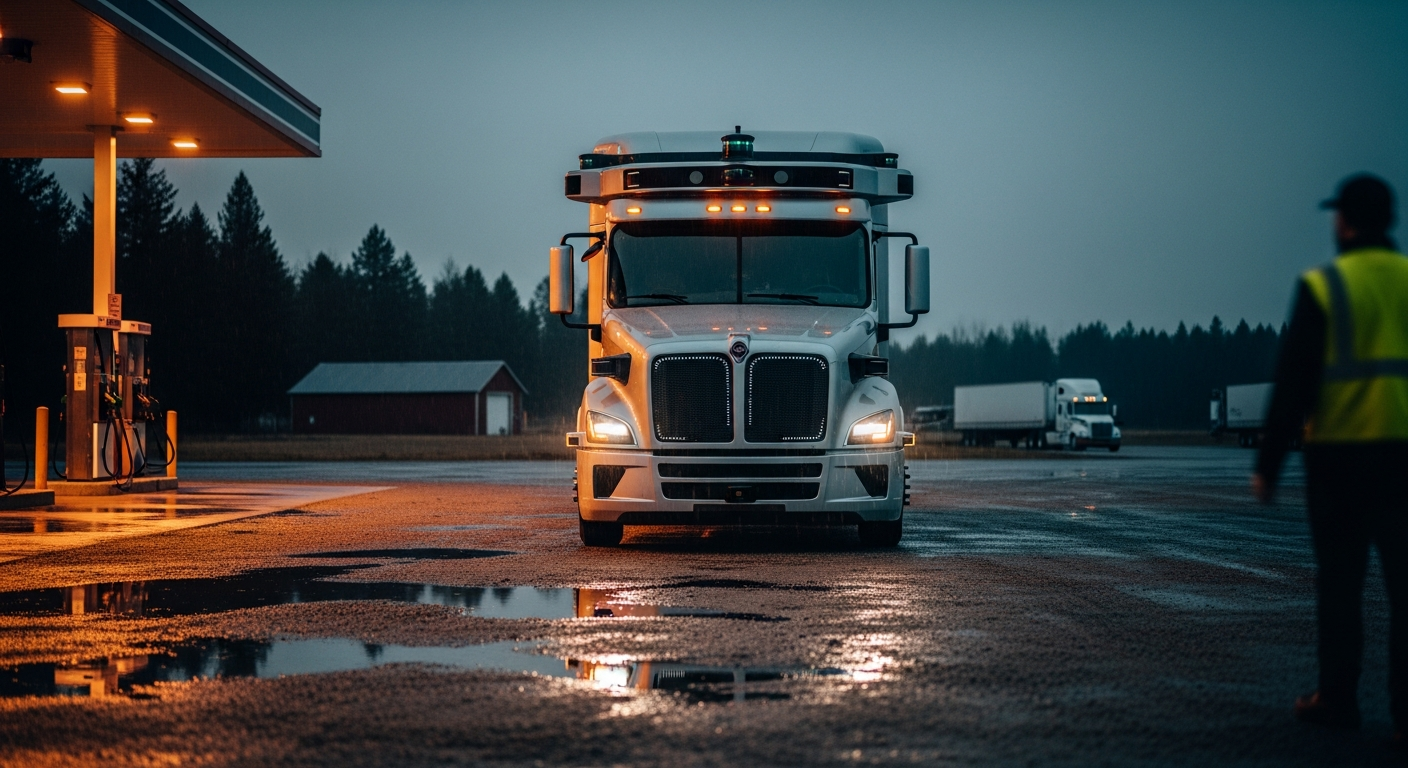
The trucking industry is constantly evolving, driven by technological advancements and regulatory shifts. One of the most significant potential disruptions on the horizon is the widespread adoption of driverless truck fleets. Recently, the Federal Motor Carrier Safety Administration (FMCSA) has been considering exemptions that could pave the way for these autonomous vehicles to share our highways more broadly. This development raises critical questions for both drivers and carriers about safety, employment, and the future operational landscape.
Understanding the FMCSA Exemption
The FMCSA's role is to ensure the safety of our roadways. As autonomous driving technology matures, the agency is tasked with evaluating its potential impact. Exemptions, when granted, allow companies to test and deploy technologies that might otherwise be restricted by current regulations. For driverless trucks, this often involves navigating rules designed around human drivers, such as hours-of-service requirements and the need for immediate human intervention in all situations. The specifics of any proposed exemption are crucial, as they will dictate the operational parameters and safety protocols for these vehicles. This is a developing area, much like the ongoing discussions around fuel prices and driver relief, as seen in the Fuel Tax Revolt: Drivers Demand Relief Amid Soaring Prices article.
Potential Impacts on the Trucking Industry
The implications of a significant expansion of driverless truck fleets are far-reaching:
- For Drivers: The most immediate concern for many professional truck drivers is job security. While proponents argue that autonomous trucks will create new roles in remote monitoring and maintenance, the potential displacement of current driving positions is a significant worry. Drivers are the backbone of the supply chain, and platforms like LMDR are dedicated to connecting them with carriers, with an average match time of just 24 hours. The introduction of driverless technology could fundamentally alter the driver job market.
- For Carriers: For fleet carriers, the allure of driverless technology lies in potential cost savings, increased efficiency, and addressing the persistent driver shortage. With over 530,328 FMCSA-verified carriers indexed on our platform, the competitive landscape is intense. Autonomous fleets could offer 24/7 operation without the constraints of human driver hours-of-service, potentially reducing operational costs and increasing asset utilization. However, the initial investment in autonomous technology is substantial, and carriers will need to weigh these costs against projected benefits.
- For Highway Safety: The safety record of autonomous vehicles is a primary focus for the FMCSA and the public. While proponents claim autonomous systems can reduce accidents caused by human error (fatigue, distraction), concerns remain about their performance in unpredictable scenarios, adverse weather, and complex urban environments. Public perception and trust will be critical factors in the acceptance of these vehicles.
Public Perception and Input
The FMCSA is not operating in a vacuum. Public input is vital in shaping these regulatory decisions. Drivers, as the most experienced users of the nation's highways, have a unique perspective. Sharing concerns and insights about sharing the road with autonomous vehicles is crucial. The agency often seeks public comment on proposed rulemakings, providing an avenue for stakeholders to voice their opinions. This process is essential for ensuring that new technologies are integrated safely and responsibly.
The Future is Now: Adapting to Change
While the widespread deployment of fully autonomous trucks may still be some years away, the groundwork is being laid. The trucking industry has a history of adapting to technological shifts, from the introduction of ELDs to the rise of advanced telematics. Understanding these regulatory changes and technological trends is key. For instance, advancements in trucking tech are continuously reshaping operations, as highlighted in articles like April 2026: Trucking Tech Innovations & Industry Shifts.
For drivers seeking stable, well-matched opportunities in the current market, LMDR offers a robust platform connecting over 4,332 drivers with carriers. We pride ourselves on a 95% driver satisfaction rate. If you're a driver looking for your next role, consider using our quick-apply service. For carriers looking to expand their fleet with qualified drivers, exploring our pricing options can help you find the talent you need.
FAQ
Will driverless trucks replace human drivers entirely?
It's unlikely that driverless trucks will entirely replace human drivers in the immediate future. While autonomous technology is advancing rapidly, there will likely be a long transition period. Human drivers will remain essential for complex routes, last-mile delivery in challenging environments, and situations requiring human judgment. New roles related to the maintenance, remote operation, and oversight of autonomous fleets may also emerge.
How will driverless trucks affect highway safety?
Proponents argue that driverless trucks can enhance safety by eliminating human errors like fatigue and distraction, which contribute to a significant number of accidents. However, concerns remain about the technology's ability to handle unpredictable situations, adverse weather, and complex traffic scenarios. The FMCSA's rigorous testing and regulatory oversight will be critical in ensuring safety standards are met before widespread deployment.
What can drivers do to prepare for the rise of autonomous trucks?
Drivers can prepare by staying informed about technological advancements and regulatory changes. Focusing on developing specialized skills, such as operating complex equipment, handling hazardous materials, or excelling in customer service aspects of delivery, can increase their value. Continuous learning and adaptability will be key to navigating the evolving trucking landscape. Exploring resources on industry trends and new technologies, like those found in our insights section, can be beneficial.
FAQ
Frequently Asked Questions
Free · AI-Powered
Find your best carrier match
Our AI analyzes your CDL class, experience, and location to surface carriers with the best pay, home time, and culture fit — in under 60 seconds.
Get Matched Freearrow_forwardKeep Reading
Related Articles
 Regulatory
EPA Doubles Down on California Emissions Crackdown
 Regulatory
AV Self-Certification Makes OOIDA’s ‘Bad List’ – What Drivers Need to Know
 Regulatory