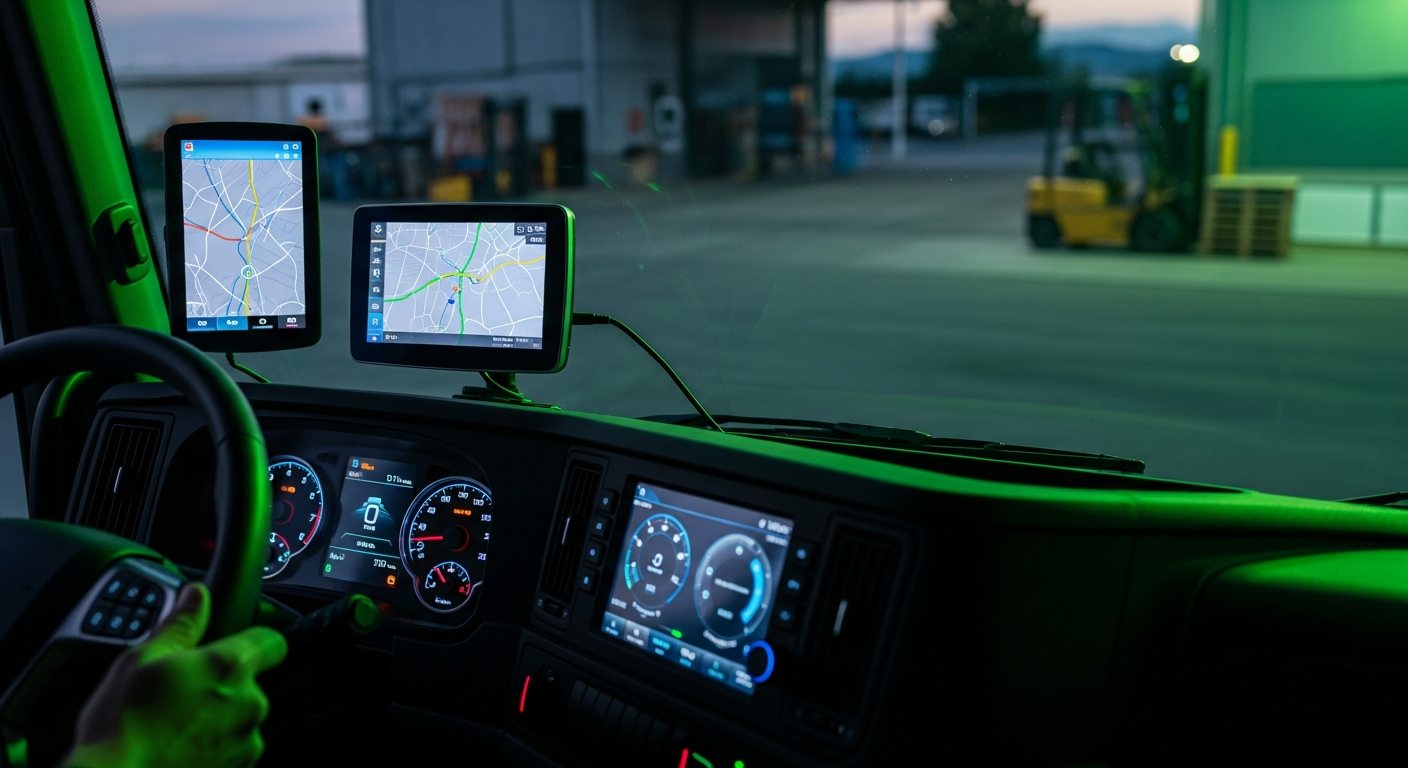
Generative AI Adoption Surges in Private Fleets, But Potential Remains Untapped
Generative Artificial Intelligence (AI) is no longer a futuristic concept for private trucking fleets; it's a rapidly adopted technology. Recent research from Fleet Advantage indicates a significant surge in generative AI adoption, with many fleets eager to leverage its capabilities for improved operations. However, this enthusiasm is being tempered by persistent challenges, primarily revolving around data integration and the ability to accurately track Return on Investment (ROI).
The Promise of Generative AI in Trucking
Generative AI offers a compelling vision for the future of fleet management. From optimizing routes and predicting maintenance needs to enhancing driver communication and automating administrative tasks, the potential applications are vast. Fleets are exploring AI for:
- Predictive Maintenance: Analyzing sensor data to anticipate equipment failures before they occur, reducing downtime and costly repairs.
- Route Optimization: Developing more efficient delivery routes that account for real-time traffic, weather, and delivery windows.
- Driver Support: Providing instant access to information, answering common queries, and streamlining communication.
- Administrative Automation: Reducing the manual workload for tasks like load planning, scheduling, and paperwork.
Data Integration: The Bottleneck to AI Success
Despite the widespread interest, a critical hurdle preventing fleets from realizing the full benefits of generative AI is poor data integration. Many fleets operate with siloed data systems, legacy software, and inconsistent data formats. This fragmentation makes it incredibly difficult for AI models to access, process, and analyze the comprehensive datasets required for optimal performance.
Without clean, unified, and accessible data, AI algorithms struggle to provide accurate insights or automate processes effectively. This leads to frustration and underutilization of the technology. For instance, an AI attempting to optimize routes needs access to real-time telematics, historical delivery data, and external factors like traffic, all of which must be seamlessly integrated.
Measuring ROI: A Persistent Challenge
Another significant barrier is the difficulty in tracking and quantifying the ROI of AI investments. While fleets can see the potential, they often lack the robust metrics and tracking mechanisms to definitively prove the financial benefits. This makes it challenging to justify further investment and scale AI initiatives.
- Lack of Baseline Data: Without clear baseline metrics before AI implementation, it's hard to measure improvement.
- Indirect Benefits: Some AI benefits, like improved driver satisfaction or enhanced safety, are harder to quantify financially.
- Integration Costs: The initial costs associated with AI implementation, including software, hardware, and training, can overshadow early, less tangible gains.
This lack of clear ROI can stall adoption, especially in a cost-conscious industry. For carriers, understanding the financial impact of new technologies is crucial, much like understanding the broader trucking costs examined: a driver & carrier guide.
The LMDR Advantage: Streamlined Matching and Data
At LMDR, we understand the importance of efficient operations and data-driven decision-making. Our platform is built to connect drivers with carriers quickly and effectively. With over 4336+ drivers on the platform and 530328+ FMCSA-verified carriers indexed, we facilitate an average match time of just 24 hours, boasting a 95% driver satisfaction rate. While we focus on connecting talent with opportunity, we recognize the broader technological shifts impacting the industry. The challenges fleets face with AI implementation highlight the need for robust data infrastructure and clear performance metrics.
Moving Forward: Strategies for Success
To overcome these data challenges and unlock the true potential of generative AI, fleets should focus on:
- Data Modernization: Investing in data integration platforms and ensuring data quality and standardization across all systems.
- Clear ROI Frameworks: Establishing specific, measurable, achievable, relevant, and time-bound (SMART) goals for AI initiatives and implementing robust tracking mechanisms.
- Phased Implementation: Starting with pilot projects in well-defined areas to demonstrate value before scaling up.
- Driver-Centric AI: Ensuring AI tools are designed to support drivers, not complicate their jobs. This aligns with the industry's focus on driver well-being, as seen in discussions around Maverick Drivers Get Pay Boost in 2026.
As the trucking industry continues to evolve, embracing new technologies like AI is essential for staying competitive. However, a strategic approach that prioritizes data quality and measurable outcomes will be key to realizing the promised operational gains. The future of trucking relies on smart technology adoption, ensuring that innovations like AI truly drive efficiency and profitability for both carriers and drivers.
For drivers looking for opportunities with fleets that are leveraging technology effectively, consider exploring options through our driver portal.
For carriers seeking to optimize their recruitment and operations, understanding the value of data and technology is paramount. Learn more about how we can help by visiting our carrier pricing page.
FAQ
Q1: What are the biggest hurdles for fleets using generative AI?
A1: The primary obstacles are poor data integration, leading to fragmented and inaccessible data, and the difficulty in accurately tracking and proving the Return on Investment (ROI) of AI implementations.
Q2: How can fleets improve their data for AI applications?
A2: Fleets can improve their data by investing in data modernization, implementing data integration platforms, standardizing data formats, and ensuring data quality across all operational systems.
Q3: Why is tracking ROI important for AI adoption in trucking?
A3: Tracking ROI is crucial for justifying further investment in AI technologies, demonstrating their value to stakeholders, and making informed decisions about scaling AI initiatives across the fleet.
FAQ
Frequently Asked Questions
Free · AI-Powered
Find your best carrier match
Our AI analyzes your CDL class, experience, and location to surface carriers with the best pay, home time, and culture fit — in under 60 seconds.
Get Matched Freearrow_forwardKeep Reading
Related Articles
 Technology
Diesel Engine Enters NACFE's 'Messy Middle'
 Technology
Rethinking Truck Uptime: Parts Availability Over Speed
![How Top Fleets Retain Drivers: Proven Strategies [Video]](https://storage.googleapis.com/lmdr-static-assets/blog/how-top-fleets-retain-drivers-proven-strategies-thumb.png) Technology
Technology