
Freight Sector Sees Significant Job Reductions
Recent data reveals a concerning trend within the freight and supply chain industries, with companies announcing at least 1,222 layoffs between July 10 and July 24. This wave of job cuts underscores the current pressures facing logistics providers and signals potential shifts in the market that directly impact CDL truck drivers and fleet carriers.
Understanding the Scope of Layoffs
The reported figures, compiled from various industry sources, indicate a broad distress across different segments of the freight economy. While specific company names and reasons for the cuts are still emerging, the sheer volume suggests systemic challenges rather than isolated incidents. For drivers, this can translate to increased competition for available loads and a more cautious hiring environment.
Market Dynamics Affecting Freight Providers
Several factors likely contribute to this downturn. Fluctuations in freight volumes, rising operational costs (including fuel and equipment maintenance), and evolving consumer demand patterns can strain carrier profitability. In such an environment, companies may resort to workforce reductions to manage expenses and maintain financial stability. This situation highlights the importance of carriers being well-informed about market conditions, a challenge LMDR addresses by indexing over 530,341 FMCSA-verified carriers.
Impact on CDL Truck Drivers
For CDL truck drivers, these layoffs can create uncertainty. While the LMDR platform currently boasts over 4,577 drivers, a contraction in the broader market might mean longer wait times for ideal placements. However, our platform's efficiency is designed to combat this. With an average match time of just 24 hours, LMDR connects drivers with carriers rapidly, aiming to mitigate the effects of market volatility. The 95% driver satisfaction rate reflects our commitment to finding suitable, stable opportunities.
Strategic Considerations for Carriers
Fleet carriers facing these economic headwinds must adapt. This might involve optimizing routes, exploring new freight lanes, or investing in technologies that improve efficiency. Understanding the broader economic signals, such as these job cuts, is crucial for strategic planning. As we've seen in other market analyses, such as the implications of the C.H. Robinson Nuclear Verdict, regulatory and economic shifts can have profound effects on carrier operations.
Furthermore, carriers need to be prepared for potential shifts in driver availability and expectations. Maintaining competitive compensation and benefits, and ensuring consistent freight, becomes even more critical. For carriers looking to navigate these challenges and find reliable drivers quickly, exploring solutions is key. As discussed in the context of improving service networks, partnerships and efficient matching are vital – similar to how Rush, MCT Partnership Boosts Refrigeration Service Network.
Looking Ahead: Navigating Industry Challenges
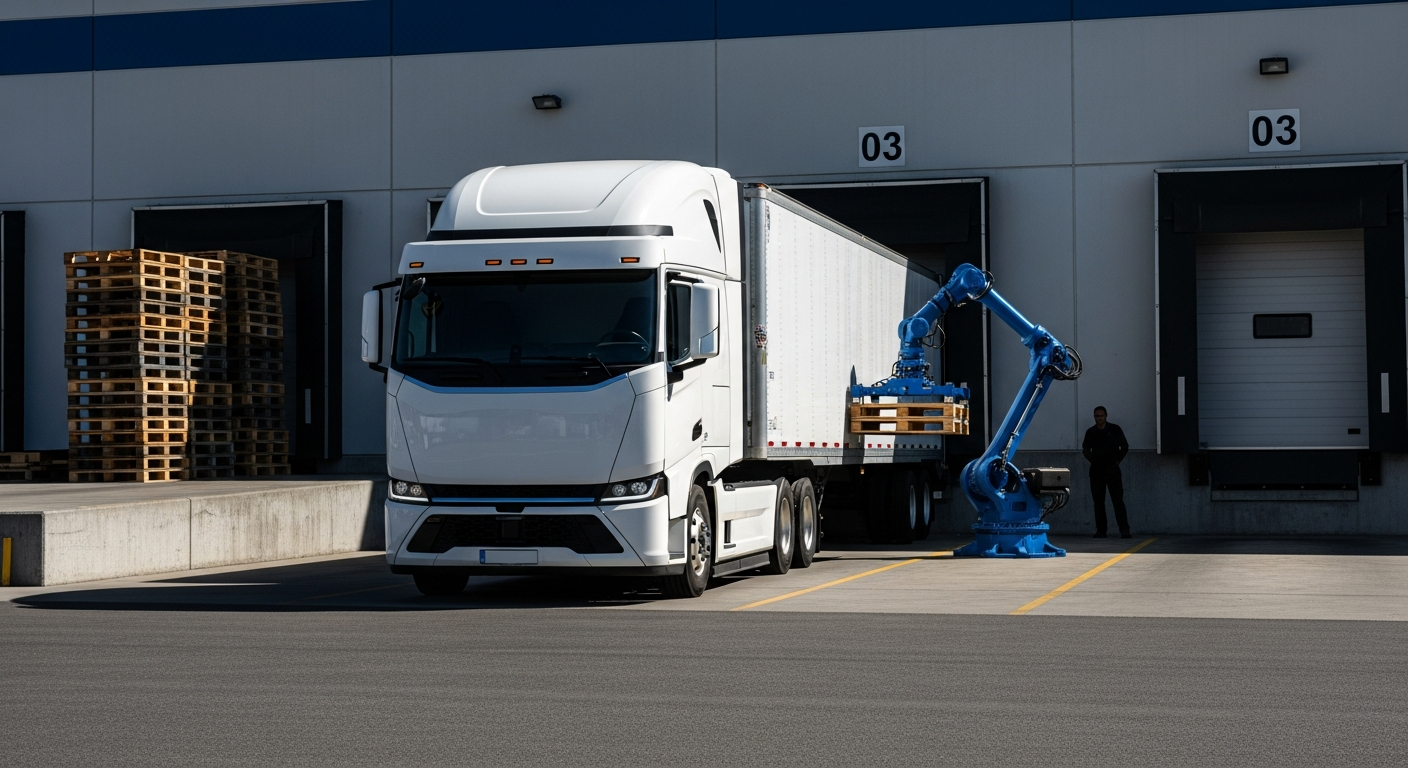
The current freight distress report serves as a stark reminder of the dynamic nature of the transportation industry. While job cuts are a negative indicator, they also present opportunities for agile companies and drivers. Carriers that can adapt and drivers who remain flexible are best positioned to succeed. Staying informed about market trends, like those impacting yard operations as seen with Autonomous Yard Tech Cuts Fleet by 36%: YMX Logistics Success, can provide a competitive edge.
For drivers seeking stable, well-matched opportunities amidst these changes, the LMDR platform offers a streamlined path. We connect you with verified carriers efficiently. For carriers looking to optimize their workforce and find qualified drivers without delay, understanding the value of rapid, data-driven matching is essential.
FAQ
Q1: How do these freight layoffs affect my chances of finding a driving job?
A1: While widespread layoffs can indicate a tighter job market, the demand for reliable CDL truck drivers remains strong, especially for those who are qualified and flexible. Platforms like LMDR focus on efficient matching, aiming to connect drivers with carriers quickly, often within 24 hours, regardless of broader market fluctuations.
Q2: What should carriers do to mitigate the impact of economic downturns like this?
A2: Carriers should focus on operational efficiency, cost management, and strategic planning. This includes leveraging technology for better load matching, optimizing routes, and maintaining strong relationships with drivers. Understanding market signals, like job cuts, helps in proactive decision-making.
Q3: Are there specific types of freight or carriers that are more resilient during these times?
A3: Essential goods, such as food, pharmaceuticals, and e-commerce fulfillment, tend to show more resilience. Carriers specializing in these sectors, or those with diversified services, may be better insulated from significant downturns compared to those heavily reliant on discretionary consumer goods.
FAQ
Frequently Asked Questions
Free · AI-Powered
Find your best carrier match
Our AI analyzes your CDL class, experience, and location to surface carriers with the best pay, home time, and culture fit — in under 60 seconds.
Get Matched Freearrow_forwardKeep Reading
Related Articles
 Market Intel
Autonomous Yard Tech Cuts Fleet by 36%: YMX Logistics Success
 Market Intel
Ryder's Used Truck Sales Boost Q2: CDL Driver Watch Points
 Market Intel