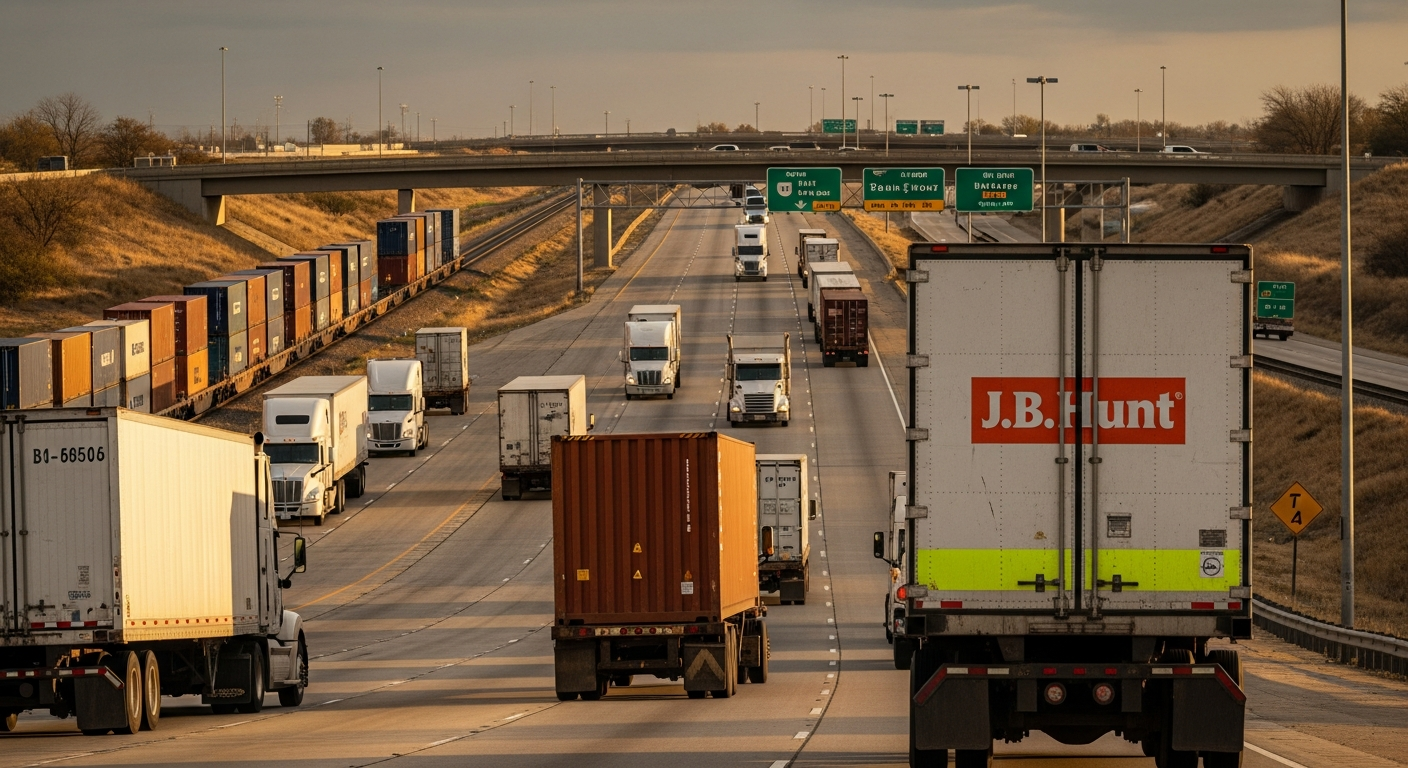
Intermodal's Historic Growth: A Game Changer for Trucking
Intermodal freight transport is experiencing a historic surge, driven by shifting supply chain dynamics and record demand. J.B. Hunt's recent earnings report highlighted this trend, with intermodal volumes reaching all-time highs. For CDL drivers and fleet carriers, this presents both opportunities and challenges.
What Is Driving the Growth?
Several factors are fueling intermodal's expansion:
- Rail efficiency improvements: Class I railroads have invested heavily in infrastructure, reducing transit times and increasing capacity.
- Driver shortages: The ongoing driver shortage has pushed shippers to seek rail alternatives for long-haul moves, reserving trucks for shorter, more profitable lanes.
- Fuel costs: With diesel prices volatile, intermodal offers cost savings by shifting line-haul to rail.
- Sustainability goals: Shippers are under pressure to reduce carbon footprints, and intermodal emits up to 60% less CO2 per ton-mile than truck-only moves.
What This Means for CDL Drivers
Intermodal growth doesn't mean fewer trucking jobs—it means different ones. Drayage drivers are in high demand to move containers between rail ramps and final destinations. These jobs often offer:
- Consistent schedules: Many drayage runs are local or regional, allowing drivers to be home daily.
- Steady freight volumes: Intermodal containers flow year-round, reducing seasonal swings.
- Competitive pay: Drayage rates have risen alongside intermodal demand.
If you're a driver looking for stability, consider exploring drayage opportunities. You can apply for a CDL job on our platform and get matched with carriers in minutes.
What This Means for Fleet Carriers
Carriers should evaluate how intermodal fits into their network. While some view it as competition, many successful fleets use intermodal to complement their truckload operations. Key considerations:
- Partner with rail providers: Establish relationships with BNSF, Union Pacific, or Norfolk Southern for consistent container supply.
- Invest in chassis: Equipment availability is critical; owning or leasing chassis can give you a competitive edge.
- Leverage technology: Use load matching platforms to reduce empty miles and improve asset utilization.
For carriers looking to expand their intermodal footprint, see our carrier pricing to access our network of 530,000+ FMCSA-verified carriers.
Market Data: The Numbers Behind the Trend
- J.B. Hunt's intermodal revenue grew 22% year-over-year in Q2 2026.
- Total intermodal volumes in the U.S. are up 15% through mid-2026, according to the Intermodal Association of North America.
- The average drayage rate per mile increased 8% in the same period.
This growth is part of a broader shift in freight patterns. As we discussed in our earlier post on Mexico cross-border trade surges: $87B in May, cross-border intermodal is also expanding rapidly.
Challenges to Watch
Intermodal isn't without risks. Congestion at rail ramps, chassis shortages, and weather disruptions can cause delays. Additionally, the recent FMCSA denies 18 epilepsy exemption applications highlights ongoing regulatory scrutiny that can affect driver availability.
FAQ
Q: Is intermodal growth reducing the need for long-haul truck drivers? A: No. While intermodal shifts some line-haul miles to rail, it increases demand for drayage drivers who move containers to and from rail terminals. The total number of trucking jobs remains strong.
Q: How can I get started in intermodal drayage? A: Many carriers offer training for drayage-specific skills like container handling and chassis inspection. Use our platform to find drayage jobs near you.
Q: What equipment do I need for intermodal hauling? A: A standard day cab or sleeper with a wet kit is common. Some carriers require a CDL with tanker endorsement for certain container types. Always check with the carrier.
Take Action
Whether you're a driver seeking steady work or a carrier looking to grow, intermodal's historic growth offers real opportunities. Apply now to get matched with top drayage carriers, or explore our carrier plans to optimize your fleet.
FAQ
Frequently Asked Questions
Free · AI-Powered
Find your best carrier match
Our AI analyzes your CDL class, experience, and location to surface carriers with the best pay, home time, and culture fit — in under 60 seconds.
Get Matched Freearrow_forwardKeep Reading
Related Articles
 Market Intel
132 lbs Cocaine Hauled in Truck Tractors: Florida Bust
 Market Intel
Illegal Cargo: Cocaine Seized in Tractor-Trailer Bust
 Market Intel