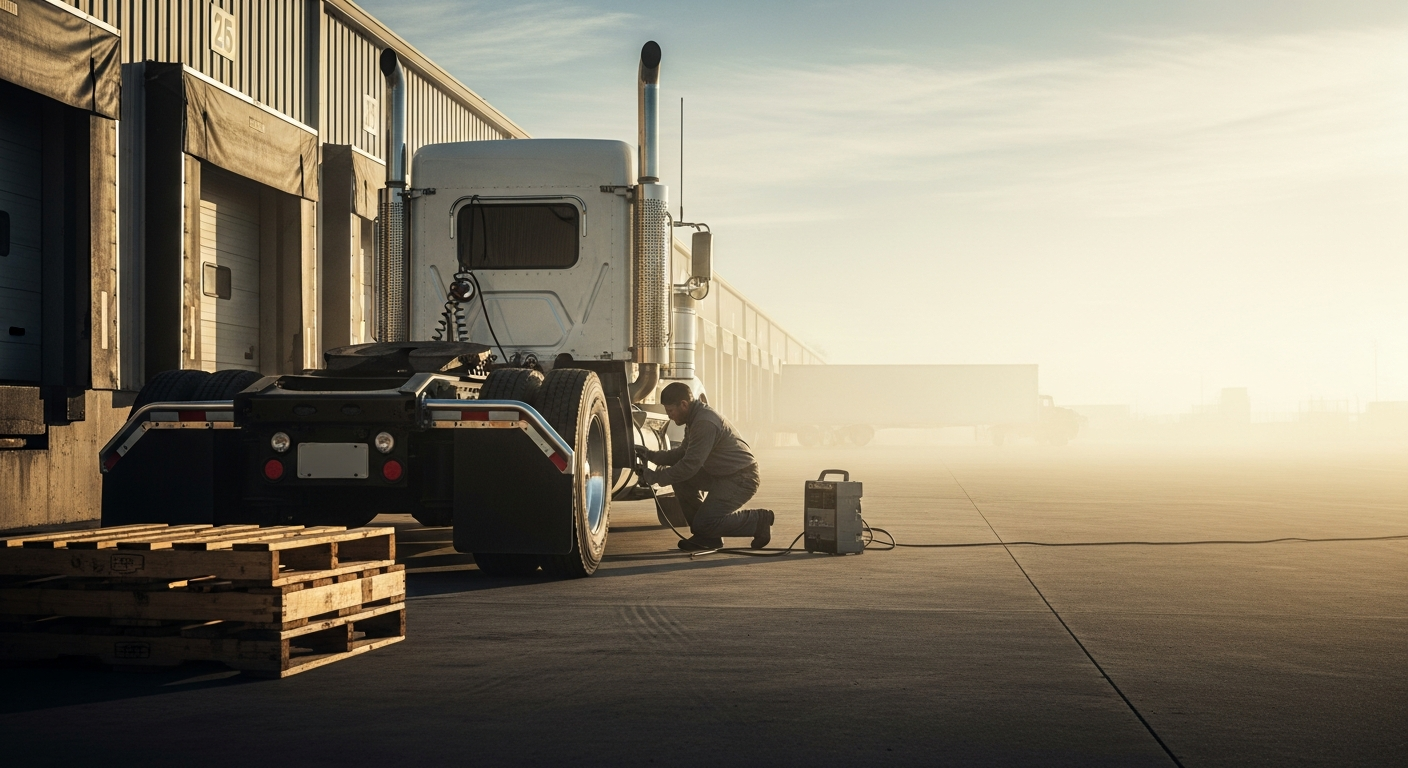
Noregon Simplifies Complex Vehicle Network Diagnostics with CAN Mentor
Troubleshooting vehicle network issues, particularly those involving the Controller Area Network (CAN) bus, has historically been a complex and time-consuming task. It often requires specialized training and expensive diagnostic equipment, leading to extended downtime for trucks and increased repair costs for fleets. Noregon Systems, a leader in commercial vehicle diagnostics, has launched a new software solution, CAN Mentor, aimed at demystifying these intricate diagnostics and making them accessible to a wider range of technicians.
The Challenge of CAN Bus Diagnostics
The CAN bus is the backbone of modern vehicle communication, allowing various electronic control units (ECUs) to exchange data. When this network experiences issues, it can manifest in numerous ways, from minor glitches to critical system failures. Identifying the root cause within this complex web of communication can be a significant hurdle. Traditional methods often involve intricate wiring diagrams, oscilloscopes, and a deep understanding of vehicle electronics. For many maintenance facilities, especially those serving smaller fleets or independent owner-operators, this level of expertise and equipment can be prohibitive.
How CAN Mentor Streamlines the Process
Noregon's CAN Mentor is designed to bridge this gap. The software guides technicians through the diagnostic process, helping them identify and isolate CAN network problems without needing advanced, specialized tools or extensive prior knowledge. By providing a more intuitive interface and guided workflows, CAN Mentor aims to reduce the learning curve and empower more technicians to effectively troubleshoot these issues.
This innovation comes at a crucial time for the trucking industry. With over 530,340+ FMCSA-verified carriers indexed on platforms like LMDR, efficient fleet maintenance is paramount for operational success. Reducing diagnostic time directly translates to getting trucks back on the road faster, improving delivery schedules, and boosting profitability. For drivers, this means fewer unexpected delays and more reliable equipment, contributing to the 95% driver satisfaction rate reported by platforms focused on efficient matches.
Benefits for Technicians and Fleets
The primary benefit of CAN Mentor is its ability to simplify complex diagnostics. This leads to several advantages:
- Reduced Downtime: Faster identification of CAN bus issues means quicker repairs, minimizing the time trucks spend out of service.
- Lower Repair Costs: By reducing the need for highly specialized technicians and expensive equipment, repair costs can be significantly lowered.
- Increased Technician Efficiency: The guided process allows technicians to work more efficiently, even on unfamiliar systems.
- Improved Diagnostic Accuracy: A structured approach helps prevent misdiagnosis, ensuring the correct problem is addressed the first time.
For fleet managers, this technology can be a game-changer. In an industry where every minute counts, streamlining diagnostics is key to maintaining a competitive edge. This is particularly relevant as the industry navigates market shifts, such as the recent surge in freight rates and the ongoing demand for reliable capacity. Efficient maintenance ensures fleets can capitalize on opportunities, much like how platforms aim to connect drivers with carriers in an average of 24 hours.
The Future of Truck Diagnostics
As vehicles become more sophisticated, so too must the tools used to maintain them. Innovations like Noregon's CAN Mentor represent a significant step forward in making advanced diagnostics more accessible. This trend aligns with broader industry movements towards leveraging technology to improve efficiency and safety. For instance, advancements in areas like automated emergency braking (AEB) are also reshaping safety standards, as noted in discussions around AEB rulemaking resuming for trucking safety.
While CAN Mentor focuses on diagnostics, the broader theme is the increasing importance of technology in all aspects of trucking. From efficient driver recruitment, where platforms like LMDR connect over 4,565+ drivers with carriers, to optimizing operational workflows, technology is driving the industry forward. The ability to quickly and accurately diagnose issues is fundamental to keeping the supply chain moving.
Conclusion
Noregon's CAN Mentor is a welcome development for the trucking industry, addressing a long-standing challenge in vehicle diagnostics. By simplifying the troubleshooting of CAN bus networks, it promises to reduce downtime, cut costs, and empower a wider range of technicians. As the industry continues to embrace technological advancements, tools like CAN Mentor will play a vital role in ensuring the efficiency and reliability of commercial fleets.
For drivers seeking reliable carriers with well-maintained fleets, or for carriers looking to optimize their operations through efficient maintenance and driver recruitment, exploring platforms that prioritize these aspects is crucial. Drivers can find their next opportunity, and carriers can explore partnership options.
FAQ
What is a CAN bus network in a truck?
A CAN (Controller Area Network) bus is a robust vehicle bus standard designed to allow microcontrollers and devices to communicate with each other's application without a host computer. In trucks, it's the primary communication network connecting various electronic control units (ECUs) like the engine control module, transmission control module, ABS, and more.
How does Noregon's CAN Mentor differ from traditional diagnostic tools?
Traditional tools often require deep technical expertise and specialized equipment like oscilloscopes. CAN Mentor simplifies the process by providing a guided, user-friendly interface that helps technicians identify CAN network issues with less specialized knowledge and potentially less expensive hardware, making advanced diagnostics more accessible.
How can faster diagnostics benefit truck drivers?
Faster diagnostics mean quicker repairs. When a truck's CAN network is diagnosed and repaired efficiently, the truck spends less time in the shop and more time on the road. This leads to fewer delivery delays, more consistent work for drivers, and reduced frustration from unexpected breakdowns.
FAQ
Frequently Asked Questions
Free · AI-Powered
Find your best carrier match
Our AI analyzes your CDL class, experience, and location to surface carriers with the best pay, home time, and culture fit — in under 60 seconds.
Get Matched Freearrow_forwardKeep Reading
Related Articles
 Technology
July Imports Poised to Set Container Record: What It Means for Trucking
 Technology
Van Spot Rates Top Contract Rates for First Time Since 2022
 Technology