
The American Transportation Research Institute (ATRI) released its annual operational cost report, revealing that trucking fleets faced record expenses during the third consecutive year of the freight recession. The data shows carriers responded by trimming fleet sizes, delaying equipment purchases, and running older trucks longer as costs continued to outpace freight rates.
Record Costs Across the Board
According to ATRI's 2026 analysis, the average marginal cost per mile for fleets surged to $2.31, a 6.2% increase from the previous year. This marks the highest level since the institute began tracking operational costs in 2008. Key cost drivers included:
- Fuel: Diesel prices averaged $4.12 per gallon, up 8% year-over-year, despite a brief dip in Q2.
- Truck payments: New truck prices remained elevated, with average monthly payments exceeding $2,800 for a Class 8 sleeper.
- Insurance premiums: Liability insurance costs rose 12%, driven by increased nuclear verdicts and litigation expenses.
- Maintenance and repair: Parts and labor costs climbed 9%, as fleets deferred new truck purchases and kept older equipment on the road.
Fleet Adjustments in Response
To manage rising costs, many carriers reduced fleet sizes. ATRI found that the average fleet size among surveyed carriers dropped from 45 to 38 power units. Smaller fleets were hit hardest, with many owner-operators exiting the industry entirely. The number of active carriers on the FMCSA database declined by 3% in 2026, the first significant drop since 2020.
Delayed equipment purchases also meant the average age of trucks in operation increased to 7.2 years, up from 6.8 years in 2025. Older trucks require more frequent repairs, creating a vicious cycle of higher maintenance costs and reduced fuel efficiency.
Technology as a Cost-Saving Tool
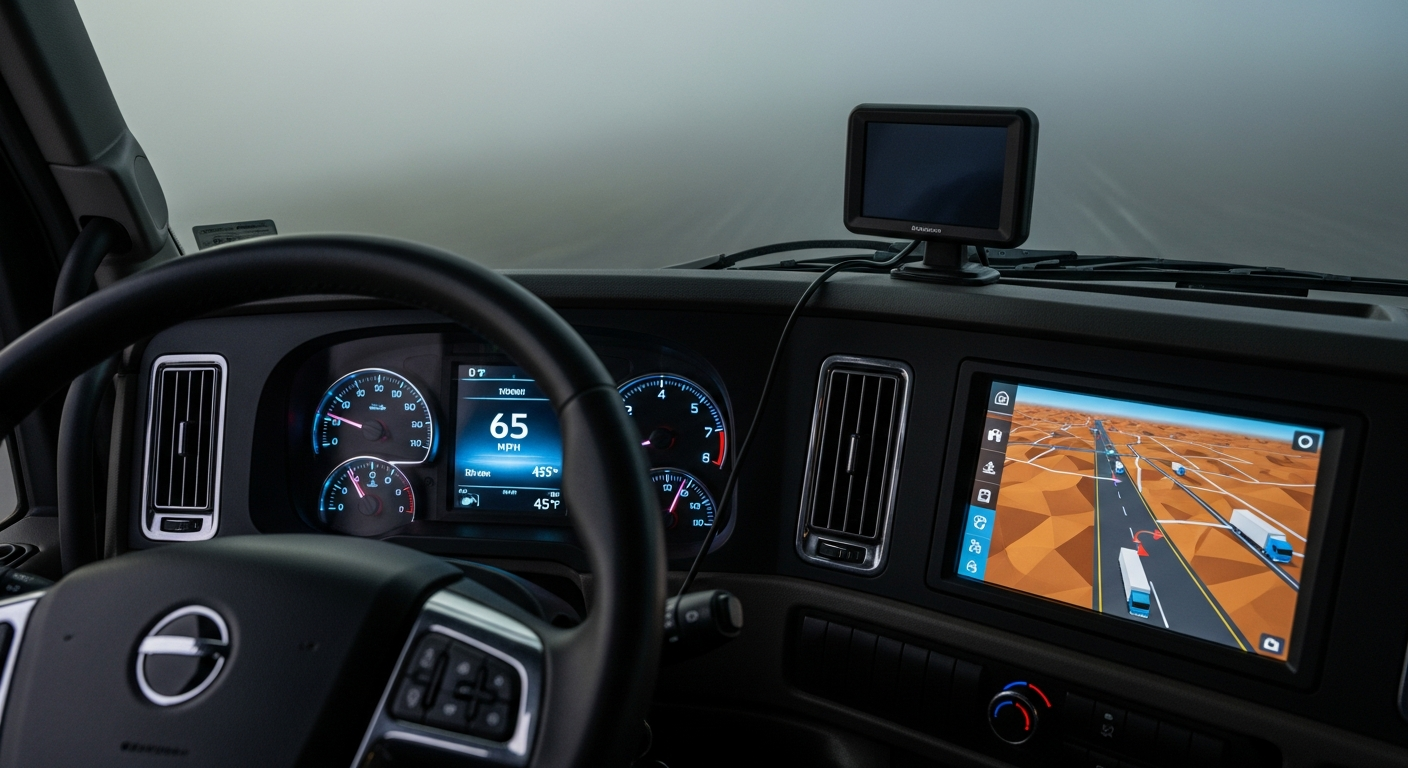
Fleets are increasingly turning to technology to offset rising expenses. Telematics, predictive maintenance, and route optimization software have become essential tools. For example, Michelin's AI assistant streamlines fleet management by analyzing tire pressure, fuel consumption, and driver behavior to recommend cost-saving adjustments.
Similarly, Continental's ContiTread HDL 5 EP retread offers a fuel-saving alternative for fleets looking to reduce tire costs without sacrificing durability. These innovations help carriers maintain margins even as operating costs climb.
Impact on Drivers
The freight recession has also affected driver pay and job stability. With fewer trucks on the road, demand for drivers has softened, leading to stagnant wages. However, carriers that invest in technology and efficiency are better positioned to offer competitive pay and consistent miles. For drivers seeking stable employment, it's crucial to partner with carriers that prioritize cost management and operational excellence.
Looking Ahead
While the freight recession shows no immediate signs of ending, there are glimmers of hope. The Prologis demand bump signals a strong freight market on the horizon, as warehouse utilization rates rise. Carriers that survive this downturn by controlling costs and leveraging technology will be well-positioned when the market rebounds.
How LMDR Helps
At LMDR, we connect drivers with carriers that are financially stable and operationally efficient. Our platform matches drivers to fleets that use data-driven strategies to keep costs low and pay competitive. With over 4,569 drivers on our platform and a 95% satisfaction rate, we help you find the right opportunity even in a tough market.
For drivers: Apply for a CDL job today and get matched with top carriers in under 24 hours.
For carriers: See our carrier pricing to learn how we can help you find qualified drivers and reduce your recruitment costs.
FAQ
Why are operating costs so high in 2026?
Operating costs are at record highs due to a combination of elevated diesel prices, increased insurance premiums, higher truck payments, and rising maintenance expenses. The prolonged freight recession has also forced fleets to run older trucks, which require more frequent repairs.
How can fleets reduce costs during the freight recession?
Fleets can reduce costs by adopting technology such as telematics and predictive maintenance, optimizing routes, and investing in fuel-saving equipment like retreads. Partnering with a recruitment platform like LMDR can also lower hiring costs and improve driver retention.
Is now a good time to become a truck driver?
While the freight recession has softened demand, carriers that manage costs effectively are still hiring. Drivers should focus on carriers with strong financials and modern equipment. LMDR can help match you with such carriers quickly.
FAQ
Frequently Asked Questions
Free · AI-Powered
Find your best carrier match
Our AI analyzes your CDL class, experience, and location to surface carriers with the best pay, home time, and culture fit — in under 60 seconds.
Get Matched Freearrow_forwardKeep Reading
Related Articles
 Technology
Maintenance in the Messy Middle: Battery-Electric Trucks
 Technology
Continental ContiTread HDL 5 EP: Fuel-Saving Retread for Fleets
 Technology