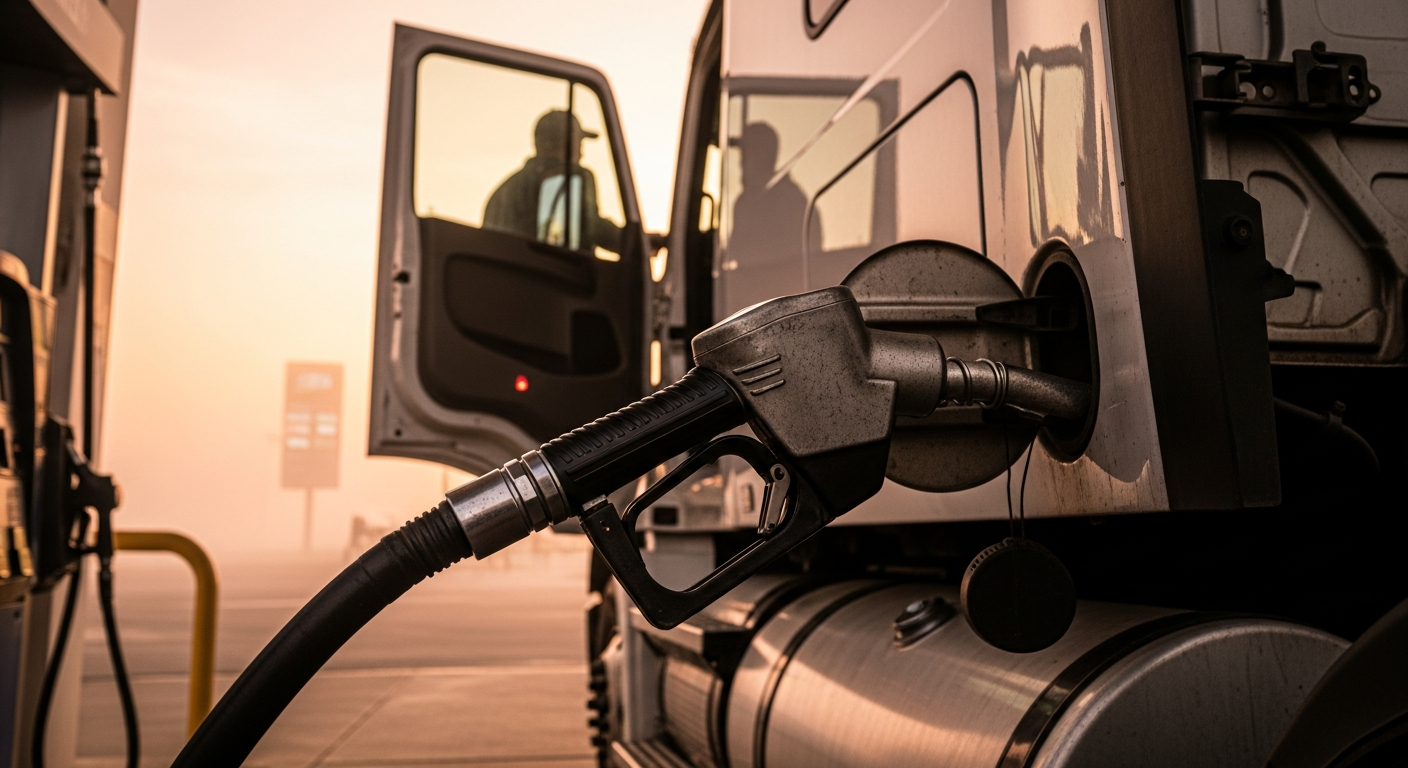
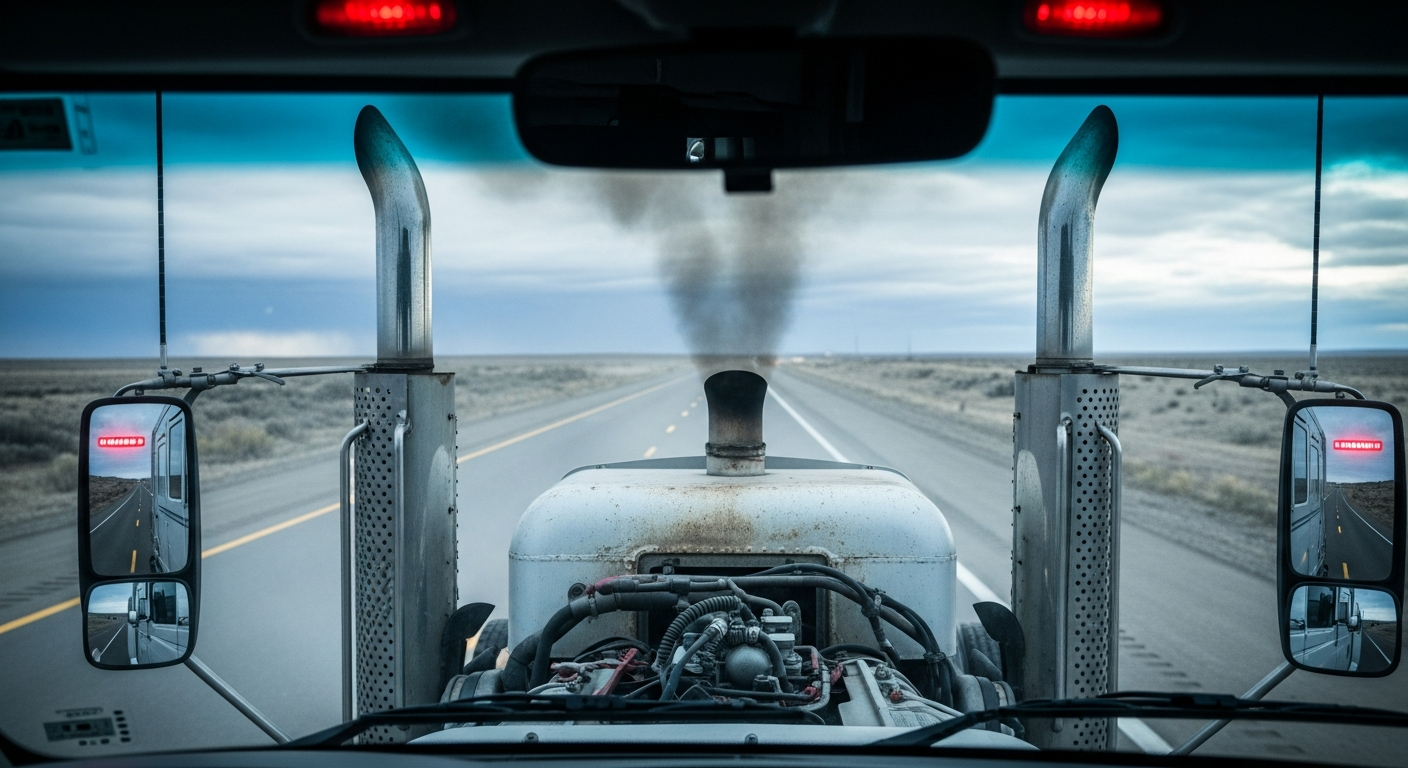
For years, truckers have faced a frustrating reality: speed limits that force them to drive slower than surrounding traffic, creating dangerous speed differentials and increasing the risk of accidents. But now, several states are rethinking their approach, and the changes could finally give professional drivers the break they deserve.
The Problem with Speed Differentials
When cars zip past at 75 mph while trucks are capped at 65 mph, the speed gap becomes a safety hazard. According to the Federal Motor Carrier Safety Administration (FMCSA), speed differentials are a leading contributor to truck-involved crashes. A 10 mph difference can double the risk of a collision. For truckers, this means constant vigilance, white-knuckle driving, and longer hours on the road.
States Leading the Change
Texas Raises the Limit
In June 2026, Texas raised speed limits on select rural interstates to 85 mph for all vehicles, including trucks. The Texas Department of Transportation cited improved safety data from pilot programs showing that uniform speeds reduce accidents. Truckers can now keep up with traffic on I-10 and I-20 stretches, cutting transit times and reducing stress.
Ohio and Indiana Follow Suit
Ohio and Indiana have also introduced bills to increase truck speed limits from 65 mph to 70 mph on interstates. Proponents argue that modern trucks with advanced braking systems and stability control can handle higher speeds safely. The Owner-Operator Independent Drivers Association (OOIDA) has endorsed these measures, noting that they align with real-world driving conditions.
California’s Cautious Approach
California, known for strict emissions rules, is taking a different tack. The state is considering variable speed limits based on traffic density and weather, which could allow trucks to match traffic flow during off-peak hours. While not a blanket increase, it acknowledges the need for flexibility.
What This Means for Drivers
For the 4,553+ drivers on the Last Mile Driver Recruiting platform, these changes translate to tangible benefits:
- Shorter Trip Times: A 5 mph increase on a 500-mile run saves nearly an hour. That’s more time at home or with family.
- Reduced Fatigue: Matching traffic flow means fewer lane changes and less mental strain.
- Better Pay: Faster deliveries can mean more loads per week, boosting income.
As we discussed in our earlier post on trucker restroom access and what the rumors really mean, driver well-being is a hot topic. Speed limit reforms are another piece of the puzzle.
Industry Reaction
Not everyone is on board. Safety advocates worry that higher speeds could increase fuel consumption and crash severity. However, data from the American Transportation Research Institute (ATRI) shows that speed limit increases of 5 mph have minimal impact on accident rates when enforced properly. The key is consistency: when all vehicles travel at similar speeds, the road becomes safer for everyone.
The Role of Technology
Modern trucks are equipped with adaptive cruise control, collision mitigation systems, and electronic logging devices (ELDs) that enforce hours of service. These technologies make higher speeds safer than ever. Fleets that invest in these systems can confidently operate at higher limits without compromising safety.
What Carriers Should Know
For carriers indexed on our platform (530,334+ FMCSA-verified carriers), adjusting to new speed limits requires updating company policies and driver training. It’s also an opportunity to attract drivers who value efficiency and modern equipment. Check out our carrier pricing to see how we help fleets connect with qualified drivers.
The Bottom Line
Truckers have long argued that speed limits should reflect the capabilities of modern vehicles and the realities of highway traffic. States are finally listening. Whether you’re an owner-operator or a fleet manager, these changes could save time, money, and lives.
If you’re a driver looking for a company that respects your time and safety, apply for a CDL job today. Carriers, see our carrier pricing to find drivers who value efficiency.
FAQ
Will higher speed limits increase fuel costs?
Yes, fuel consumption rises with speed, but the time savings often offset the cost. For example, a 5 mph increase on a 500-mile run might add $10-15 in fuel but save an hour of drive time, allowing for more loads.
Are trucks safe at 85 mph?
Modern trucks with proper maintenance and safety systems can handle 85 mph on well-designed interstates. The key is enforcement of speed limits and regular vehicle inspections.
How can I stay updated on speed limit changes?
Follow FMCSA announcements and state DOT websites. Also, join driver forums and networks like Last Mile Driver Recruiting for real-time updates.
FAQ
Frequently Asked Questions
Free · AI-Powered
Find your best carrier match
Our AI analyzes your CDL class, experience, and location to surface carriers with the best pay, home time, and culture fit — in under 60 seconds.
Get Matched Freearrow_forwardKeep Reading