What Top Fleets Reveal About Keeping Drivers Behind the Wheel
The trucking industry constantly grapples with driver retention. High turnover is a costly problem for fleets, impacting operational efficiency and profitability. This year's 'Best Fleets to Drive For' program offers valuable insights into what makes a fleet a desirable place to work, providing a roadmap for carriers aiming to improve their own retention rates.
Beyond the Basics: Evolving Driver Expectations
This year's program highlighted several key themes that go beyond traditional compensation and benefits. Drivers are increasingly looking for more than just a paycheck; they seek a supportive environment, efficient operations, and a sense of value.
- Survey Fatigue is Real: While feedback is crucial, fleets need to be mindful of overwhelming drivers with constant surveys. Streamlining feedback mechanisms and demonstrating that input leads to tangible changes is paramount. Drivers want to see their voices heard, not just collected.
- Owner-Operator Dynamics: The relationship between fleets and owner-operators continues to evolve. Understanding their unique needs, such as fair contract terms, access to loads, and support services, is vital for retaining this critical segment of the driver workforce.
- The Decline of Social Media's Role: While social media can be a tool, its impact on driver recruitment and retention is shifting. Fleets are finding that direct communication and community building within the company are becoming more effective.
Technology as a Retention Tool
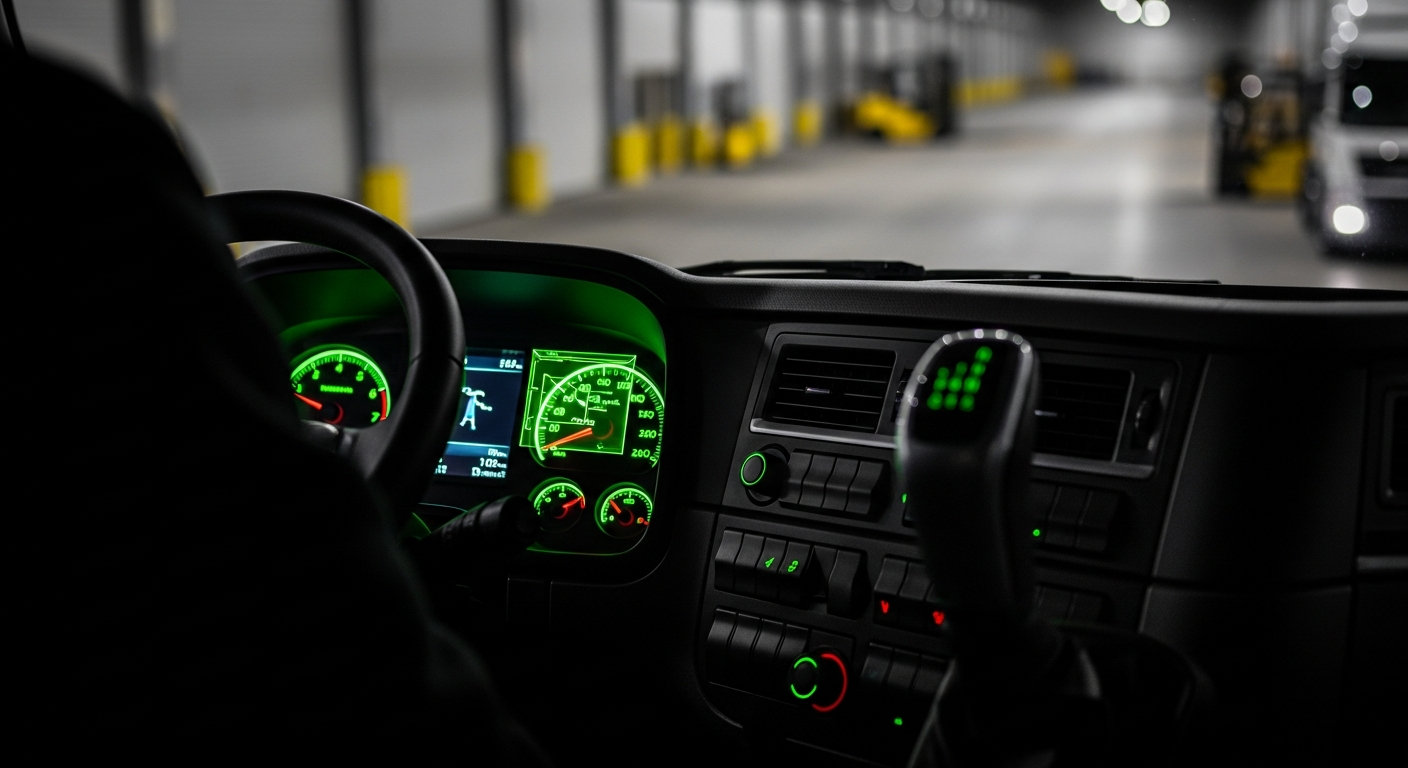
Technology plays an increasingly significant role in driver satisfaction and retention. Modern fleets leverage technology to improve efficiency, reduce driver stress, and enhance the overall driving experience.
- AI-Powered Routing: Advanced routing software, often powered by AI, can optimize routes, minimize empty miles, and reduce transit times. This not only boosts efficiency for the carrier but also provides drivers with more predictable schedules and less time stuck in traffic or waiting at docks. This directly impacts a driver's Quality of Life (QOL).
- Streamlined Communication: Mobile apps and integrated communication platforms allow for seamless interaction between drivers and dispatch. Real-time updates, load information, and easy access to support can significantly reduce driver frustration.
- Data-Driven Insights: Utilizing data analytics helps fleets understand driver behavior, identify potential issues before they lead to turnover, and personalize support. This proactive approach is key to long-term retention.
The LMDR Advantage: Connecting Drivers and Top Carriers
At LMDR, we understand the importance of matching drivers with fleets that align with their career goals and values. With over 4,562+ drivers on our platform and access to 530,340+ FMCSA-verified carriers, we facilitate connections that lead to high satisfaction. Our average match time of just 24 hours and a 95% driver satisfaction rate demonstrate our commitment to efficient and effective driver placement.
We believe that by focusing on the elements that truly matter to drivers – fair treatment, efficient operations, and modern technology – fleets can significantly improve their retention rates. This aligns with the lessons learned from the 'Best Fleets to Drive For' program, emphasizing that a driver-first approach is the most sustainable path to success.
For drivers seeking a better opportunity, explore your options at /drivers-get-hired. For carriers looking to build a stable, dedicated workforce, learn about our solutions at /pricing.
FAQ
What are the biggest factors influencing driver retention today?
Beyond competitive pay, drivers today prioritize work-life balance, consistent and predictable schedules, supportive management, modern technology that eases their job (like efficient routing), and a respectful company culture. Issues like survey fatigue and the need for better owner-operator relationships are also significant.
How can technology improve driver retention?
Technology can improve retention by optimizing routes, reducing idle time, streamlining communication between drivers and dispatch, providing real-time load updates, and offering tools that enhance safety and efficiency. AI-powered routing and integrated mobile platforms are key examples.
What is the average time it takes to get matched with a carrier on LMDR?
Our platform averages a 24-hour match time, connecting drivers with suitable carriers quickly and efficiently, contributing to our 95% driver satisfaction rate.
FAQ
Frequently Asked Questions
Free · AI-Powered
Find your best carrier match
Our AI analyzes your CDL class, experience, and location to surface carriers with the best pay, home time, and culture fit — in under 60 seconds.
Get Matched Freearrow_forwardKeep Reading