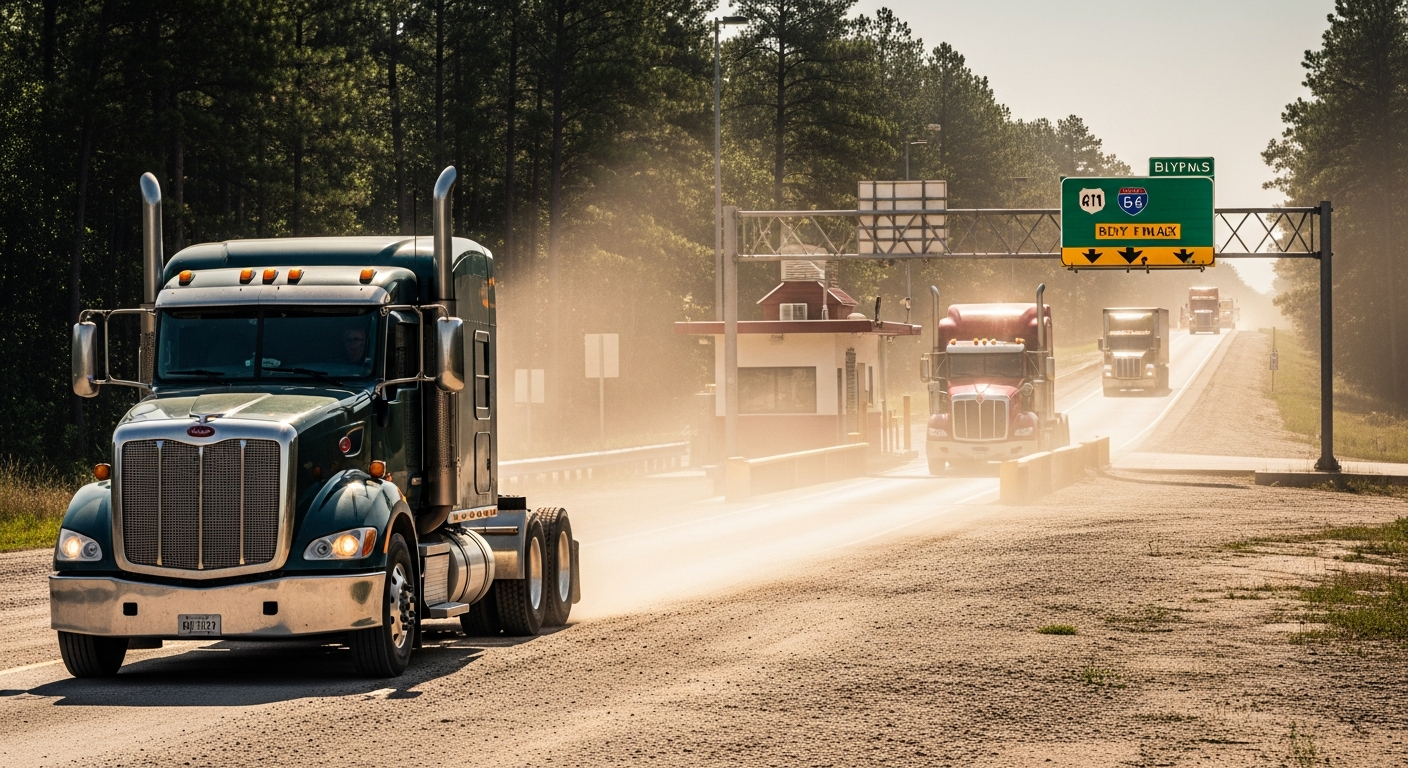
The Debate Over CDL Exemptions for Non-Profits
In the critical world of last-mile delivery and emergency response, the question of whether organizations should be exempt from Commercial Driver's License (CDL) requirements is a complex one. Recently, a non-profit group focused on emergency response sought an exemption from the Federal Motor Carrier Safety Administration (FMCSA) regarding CDL mandates. This request highlights a tension between the urgent need for rapid aid and the paramount importance of road safety.
FMCSA's Stance on CDL Waivers
The FMCSA's primary mission is to ensure the safety of our nation's roadways. This involves setting and enforcing stringent standards for commercial drivers, including the CDL. These licenses signify that a driver has met rigorous training and testing requirements, demonstrating proficiency in operating large, heavy vehicles safely. Granting exemptions, even for well-intentioned organizations, carries inherent risks.
In the case of the emergency response non-profit, the FMCSA ultimately denied the exemption request. This decision underscores the agency's commitment to upholding safety standards across the board. While the desire to provide swift assistance is commendable, the FMCSA views the operation of commercial motor vehicles as a high-risk activity that necessitates qualified, licensed drivers. This aligns with the broader regulatory landscape, where even minor infractions can have significant consequences, as seen in cases of Driver DUI on US-93: Safety and Career Implications.
The Critical Role of CDL Drivers in Emergency Response
When disasters strike, the ability to quickly and safely transport essential supplies is crucial. This often involves large trucks carrying food, water, medical supplies, and equipment. CDL drivers are the backbone of this logistical effort. Their training ensures they can navigate challenging conditions, operate vehicles under load, and adhere to strict hours-of-service regulations, preventing fatigue-related accidents.
Consider the scale of operations: the FMCSA indexes over 530,341 verified carriers. These businesses rely on a skilled CDL workforce to keep goods moving. In emergency scenarios, the demand for transportation can surge. Without qualified CDL drivers, the delivery of aid can be significantly delayed, potentially impacting lives. The LMDR platform alone connects over 4,571+ drivers with carriers, demonstrating the vast network of professionals ready to meet demand, often within an average match time of just 24 hours.
Safety Implications of Non-CDL Operators
Operating commercial vehicles without the proper licensing poses significant safety risks. Drivers without CDL training may lack the necessary skills to handle large trucks in adverse weather, emergency braking situations, or dense traffic. This increases the likelihood of accidents, which can lead to injuries, fatalities, and damage to property. Furthermore, operating a commercial vehicle without the required CDL can result in severe penalties for both the driver and the organization.
This principle extends to other regulatory areas. For instance, the FMCSA's denial of 18 epilepsy exemption applications, as reported previously, highlights the agency's cautious approach to any situation that could compromise driver safety. Similarly, the ELD & CDL Exemption Denied: Diamond Excursions case illustrates that even for specific operational needs, exemptions are not easily granted when safety is a concern.
Balancing Mission and Mandate
For charities and non-profits involved in transportation, the path forward involves compliance with existing regulations. This means ensuring that any individuals operating commercial vehicles possess the appropriate CDL. For organizations facing immediate transportation needs, partnering with established carriers who employ licensed drivers is often the most viable and safest solution. This ensures that aid reaches its destination efficiently and, most importantly, safely.
For drivers seeking opportunities in this vital sector, platforms like LMDR offer a streamlined way to connect with carriers. With a 95% driver satisfaction rate, we understand the importance of matching drivers with roles that fit their skills and career goals. Whether you're looking for dedicated routes or on-demand hauling, finding the right fit is crucial.
For drivers ready to advance their careers and connect with top carriers, consider exploring opportunities through our quick-apply process. Carriers looking to expand their fleet with qualified CDL professionals can learn more about our efficient recruiting solutions at our carrier pricing.
FAQ
Q1: Can any non-profit organization get an exemption from CDL requirements?
A1: Generally, no. The FMCSA prioritizes safety and requires drivers of commercial motor vehicles to hold a valid CDL. While specific, limited exemptions might exist in rare circumstances, they are not common, especially for routine operations. The FMCSA denied a recent request from an emergency response non-profit, emphasizing their commitment to safety standards.
Q2: What are the risks if a charity operates vehicles without CDL drivers?
A2: The primary risks include increased accident potential due to lack of specialized training, severe legal and financial penalties for the organization and the driver, and potential delays in delivering critical aid if vehicles are impounded or drivers are cited. This undermines the organization's mission.
Q3: How can charities ensure they are compliant with CDL regulations?
A3: Charities should ensure all individuals driving commercial motor vehicles possess the appropriate CDL for the vehicle class and type of operation. For immediate or large-scale transportation needs, partnering with reputable trucking companies that employ certified CDL drivers is the safest and most compliant approach.
FAQ
Frequently Asked Questions
Free · AI-Powered
Find your best carrier match
Our AI analyzes your CDL class, experience, and location to surface carriers with the best pay, home time, and culture fit — in under 60 seconds.
Get Matched Freearrow_forwardKeep Reading