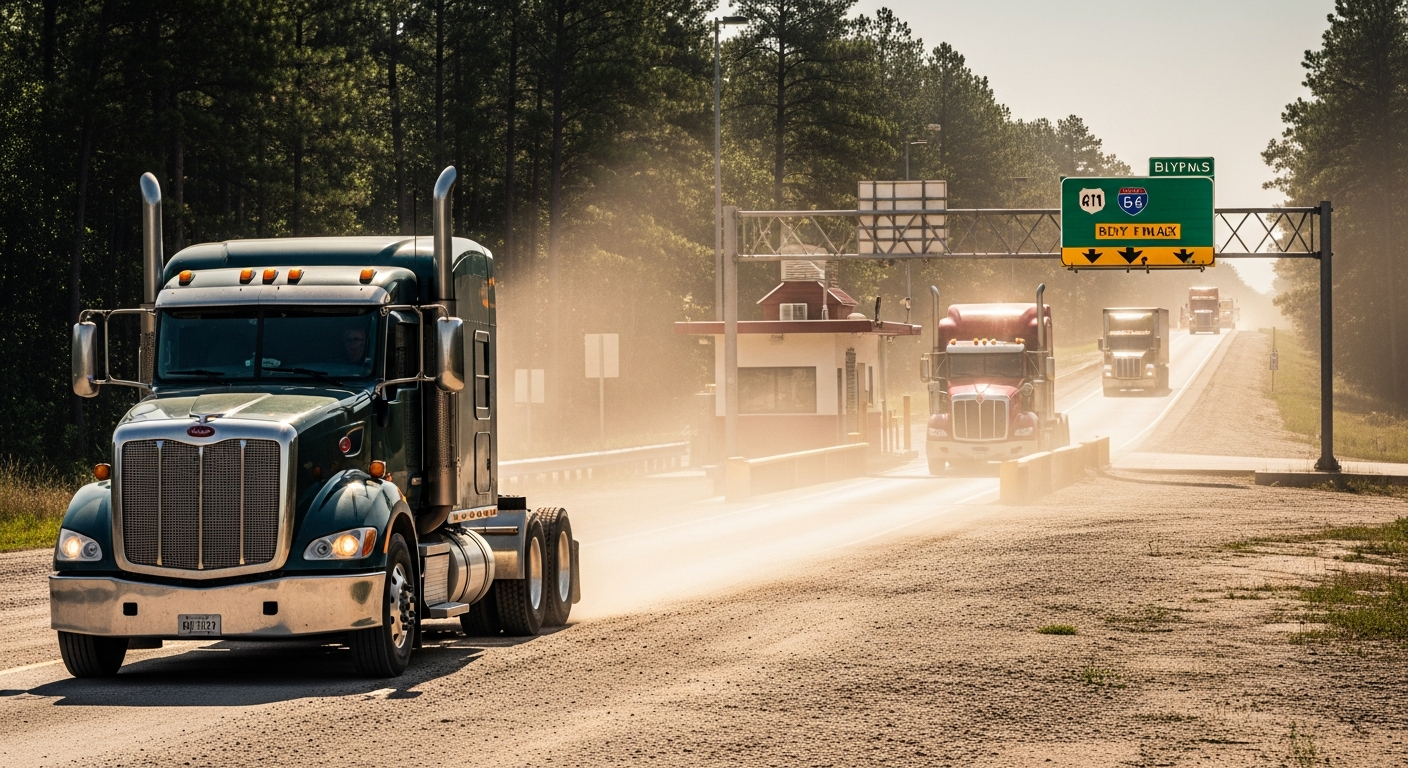
States Crack Down on Repeat Speeders with Technology
In an effort to enhance road safety and reduce the risks associated with excessive speeding, several states are moving to implement stricter measures against "super speeders." This initiative involves leveraging technology to identify and penalize drivers who repeatedly violate speed limits, particularly those operating commercial vehicles. The focus is on creating a safer environment for all road users, including the estimated 4571+ drivers currently active on the LMDR platform.
The Rise of "Super Speeder" Laws
The concept of a "super speeder" typically refers to drivers who accumulate multiple speeding violations within a specific timeframe. Traditionally, penalties for these offenses have been fines and points on a license. However, a growing number of states are now exploring or enacting laws that impose more severe consequences, including the mandatory installation of speed-limiting devices on vehicles driven by repeat offenders.
This trend is driven by data indicating that excessive speed is a significant contributing factor in a substantial percentage of traffic accidents. According to various safety reports, speeding can drastically increase stopping distances and reduce a driver's ability to react to unexpected hazards. For commercial drivers, the stakes are even higher, as the mass and momentum of large trucks amplify the potential for severe damage and injury in the event of a crash.
Technology at the Forefront of Enforcement
States are increasingly turning to technology to enforce these new regulations. This includes:
- Speed Limiter Mandates: Some legislative proposals advocate for mandatory installation of speed-limiting devices in vehicles owned or operated by drivers with multiple speeding convictions. These devices can be programmed to cap a vehicle's maximum speed, regardless of the driver's input.
- Advanced Traffic Monitoring: Enhanced radar, lidar, and automated ticketing systems are being deployed to more accurately identify and track repeat offenders.
- Data Integration: States are looking to better integrate data from various sources, including DMV records and potentially fleet management systems, to create a comprehensive profile of high-risk drivers.
Impact on CDL Drivers and Fleet Carriers
These evolving regulations present both challenges and opportunities for the trucking industry. For CDL drivers, adhering to speed limits is already a critical aspect of professional conduct and safety. The introduction of speed limiters could mean:
- Reduced Flexibility: Drivers may experience less control over their vehicle's speed, potentially impacting delivery schedules if not managed effectively.
- Increased Focus on Planning: Route planning and adherence to schedules will become even more crucial, requiring drivers and dispatchers to account for potential speed restrictions.
- Enhanced Safety Culture: For many, this is a welcome step towards a safer road environment, reinforcing the importance of responsible driving.
Fleet carriers, who manage a vast network of over 530341+ FMCSA-verified carriers indexed on LMDR, must adapt their operations and policies. This includes:
- Fleet Modernization: Investing in vehicles equipped with or capable of supporting speed-limiting technology.
- Policy Updates: Revising internal safety policies to align with state-specific "super speeder" laws.
- Driver Training: Reinforcing training on speed compliance and the implications of new technologies.
While the specifics vary by state, the trend is clear: states are serious about curbing repeat speeding. This proactive approach aims to improve overall road safety, a goal that aligns with the industry's commitment to safe operations. For drivers seeking opportunities with carriers that prioritize safety and compliance, platforms like LMDR can help connect them. Our average match time is a rapid 24 hours, and we pride ourselves on a 95% driver satisfaction rate.
For drivers looking for their next opportunity, consider exploring new roles via our quick apply feature. Fleet carriers aiming to optimize their recruitment and ensure compliance with evolving regulations can learn more about our services at our carrier pricing page.
States Leading the Charge
While specific legislation is constantly evolving, states like Arizona and Maryland have been at the forefront of addressing "super speeders." Arizona, for instance, has laws that define "super extreme" and "extreme" speeders, imposing significant fines and license suspensions. Maryland has also implemented measures targeting excessive speeders. Drivers and carriers operating across state lines must stay informed about the unique regulations in each jurisdiction they travel through.
Understanding these regulatory shifts is vital. For example, the challenges of navigating complex trucking regulations are similar to those faced when dealing with route-specific issues, such as the impacts of infrastructure problems highlighted in our post on the Wyoming Bridge Strike: Safety & Route Impacts for Drivers. Similarly, staying ahead of regulatory changes is crucial, much like understanding the implications of new market trends, such as the growth in intermodal transport discussed in 'Intermodal's Historic Growth: What Drivers & Carriers Need to Know'.
FAQ
Q1: What exactly is a "super speeder"?
A1: A "super speeder" is typically defined by state law as a driver who accumulates a certain number of speeding violations within a specified period, often leading to enhanced penalties beyond standard speeding tickets.
Q2: Will speed limiters affect my ability to make timely deliveries?
A2: Speed limiters cap a vehicle's maximum speed. While this might require more precise scheduling and planning, it also encourages a more consistent and potentially safer driving pace. Effective route planning and communication with dispatch are key.
Q3: How can I stay updated on "super speeder" laws in different states?
A3: Stay informed through industry publications, trucking associations, and by regularly checking the Department of Transportation (DOT) websites for each state you operate in. LMDR also provides insights to help drivers and carriers navigate the evolving landscape.
FAQ
Frequently Asked Questions
Free · AI-Powered
Find your best carrier match
Our AI analyzes your CDL class, experience, and location to surface carriers with the best pay, home time, and culture fit — in under 60 seconds.
Get Matched Freearrow_forwardKeep Reading