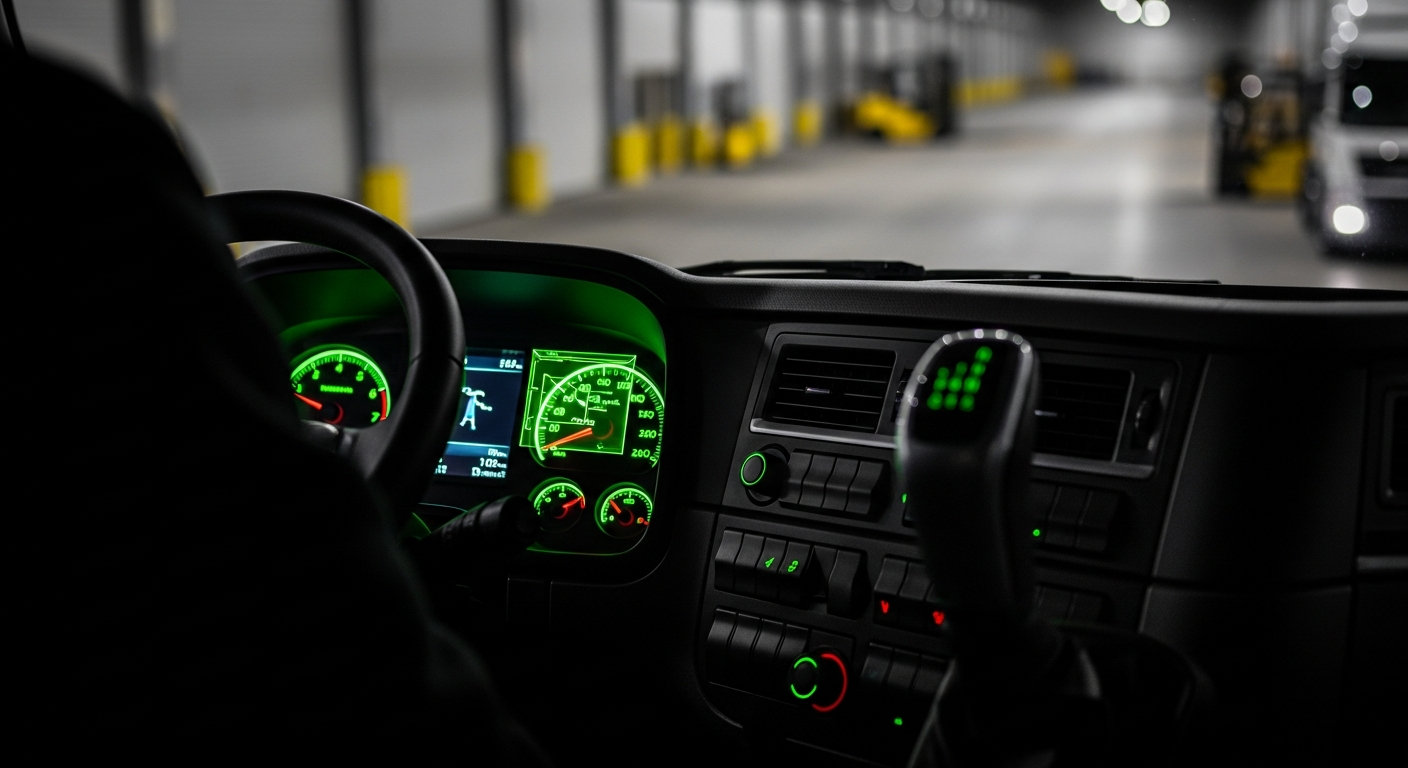
Fuel costs represent one of the largest operational expenses for any trucking fleet. With diesel prices fluctuating and often hovering around $4.00-$5.00 per gallon nationally, even minor improvements in fuel efficiency can translate into significant savings. Leading fleets understand that substantial fuel cost reduction doesn't stem from a single, massive investment, but rather from the cumulative effect of dozens of smaller, strategic changes. This article outlines 50 practical ways fleets can cut fuel costs now, without the capital expenditure of buying new trucks.
Driver Behavior and Training
Driver actions at the wheel have a direct impact on fuel consumption. Implementing robust training and incentive programs can yield immediate results.
Speed Management
- Enforce Speed Limits: Educate drivers on the exponential increase in fuel consumption above 60 mph.
- Set Optimal Speed Targets: Define a maximum legal and efficient speed (e.g., 65 mph).
- Use Telematics for Monitoring: Track and report speeding incidents.
- Incentivize Consistent Speed: Reward drivers for maintaining target speeds.
Idling Reduction
- Set Idling Policies: Establish clear rules for engine idling time.
- Educate on Fuel Waste: Quantify the fuel wasted per hour of idling.
- Utilize Automatic Shut-off Features: Program engines to shut down after a set period.
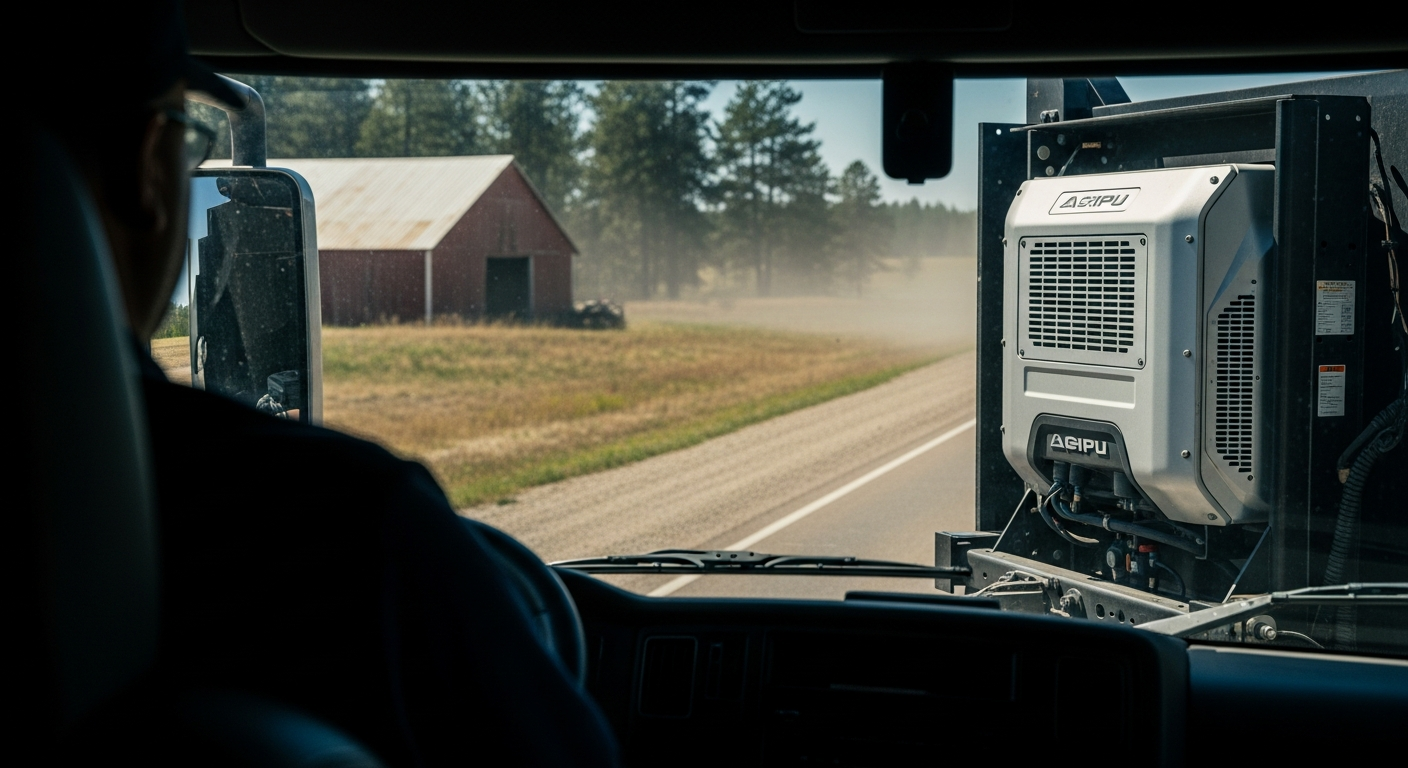
- Promote Auxiliary Power Units (APUs): For long-haul, encourage APU use for climate control.
- Driver Communication: Remind drivers of idling policies during pre-trip inspections.
Smooth Acceleration and Braking
- Driver Coaching: Train drivers on anticipating traffic and avoiding hard acceleration/braking.
- Smooth Shifting: Emphasize proper gear selection and smooth transitions.
- Predictive Cruise Control: Utilize systems that adjust speed based on terrain.
Load Management
- Accurate Load Weight: Ensure loads are accurately weighed and documented.
- Proper Load Securement: Secure loads to prevent shifting, which can affect balance.
Vehicle Maintenance and Aerodynamics
Regular maintenance and aerodynamic enhancements are critical for optimizing fuel economy.
Tire Management
- Proper Tire Inflation: Maintain tires at the recommended PSI. Underinflated tires can increase fuel consumption by up to 3%.
- Regular Tire Inspections: Check for wear and tear.
- Use Low Rolling Resistance Tires: Select tires designed for fuel efficiency.
- Wheel Alignment: Ensure proper alignment to reduce drag.
Engine and Drivetrain
- Regular Oil Changes: Use manufacturer-recommended oil viscosity.
- Air Filter Replacement: Keep air filters clean for optimal engine performance.
- Fuel Filter Maintenance: Replace fuel filters as per schedule.
- Cooling System Maintenance: Ensure the cooling system is functioning correctly.
Aerodynamic Improvements
- Aerodynamic Fairings: Install roof and side fairings.
- Trailer Skirts: Reduce under-trailer drag.
- Tractor-Trailer Gap Reducers: Minimize air turbulence between the tractor and trailer.
- Tire Inflators: Use automatic tire inflation systems.
- Blind Spot Mirrors: Ensure proper placement and condition.
Routing and Operational Efficiency
Smart routing and operational adjustments can significantly reduce miles driven and fuel consumed.
Route Optimization
- Utilize GPS and Routing Software: Employ advanced systems to find the most efficient routes.
- Consider Traffic Patterns: Plan routes to avoid peak congestion.
- Minimize Deadhead Miles: Strategically plan backhauls.
- Consolidate Deliveries: Group deliveries in geographic areas.
Fuel Purchasing Strategies
- Fuel Cards and Discounts: Leverage fuel cards for negotiated pricing.
- Monitor Fuel Prices: Use apps and services to find the cheapest fuel stops.
- Bulk Fuel Purchasing: For large fleets, explore bulk purchasing options.
Technology Integration
- Telematics Systems: Monitor driver behavior, vehicle performance, and fuel usage in real-time.
- Predictive Maintenance: Identify potential issues before they impact fuel efficiency.
- Fleet Management Software: Centralize data for better decision-making.
Driver Incentives and Engagement
Motivating drivers to adopt fuel-saving practices is key.
- Fuel Efficiency Bonuses: Reward drivers who consistently achieve high MPG.
- Gamification: Introduce friendly competition among drivers for fuel savings.
- Driver Feedback: Provide regular reports on individual fuel performance.
Other Cost-Saving Measures
- Reduce Unnecessary Weight: Remove any non-essential equipment from trucks.
- Proper Gear Selection: Train drivers on optimal gear usage for different terrains and speeds.
- Utilize Engine Brakes Effectively: Reduce reliance on service brakes, saving wear and tear.
- Pre-Trip Inspections: Ensure all systems are functioning optimally before each trip.
- Regular Vehicle Washing: Clean vehicles can improve aerodynamics slightly.
- Window Tinting: Can reduce cabin heat, lowering A/C load.
- Route Planning for Weather: Avoid extreme weather conditions that increase fuel consumption.
- Driver Training on Eco-Driving: Formalize eco-driving techniques.
- Performance Dashboards: Make fuel efficiency metrics visible to drivers.
- Continuous Improvement Culture: Foster an environment where fuel saving is a shared goal.
Implementing these strategies requires a commitment from both management and drivers. The LMDR platform connects fleets with motivated drivers ready to optimize performance. With over 4337+ drivers on our platform and 530328+ FMCSA-verified carriers indexed, we facilitate efficient matches with a 24-hour average match time. For carriers looking to improve operational efficiency and reduce costs, exploring our carrier solutions is a strategic move. Drivers seeking new opportunities that value efficiency and performance can apply for a CDL job today.
FAQ
How much fuel can be saved by reducing idling time?
Reducing idling time can save a significant amount of fuel. A general estimate is that a heavy-duty truck can consume between 0.5 to 1.5 gallons of fuel per hour while idling, depending on engine size and conditions. Reducing idling by just one hour per day can save thousands of gallons annually per truck.
What is the most impactful change a fleet can make for fuel efficiency without buying new trucks?
The most impactful changes often involve driver behavior and consistent maintenance. Enforcing speed limits, reducing idling, and ensuring proper tire inflation are consistently cited as high-impact, low-cost strategies. Leveraging telematics to monitor and coach drivers on these behaviors can amplify savings.
How can technology help fleets cut fuel costs?
Telematics systems provide real-time data on driver behavior (speeding, idling, harsh braking), vehicle performance (engine diagnostics, tire pressure), and fuel consumption. This data allows fleets to identify inefficiencies, coach drivers, schedule preventative maintenance, and optimize routes, all contributing to significant fuel savings. As we saw in the HDT Truck Fleet Innovators deadline extended, technology adoption is key for forward-thinking fleets.
FAQ
Frequently Asked Questions
Free · AI-Powered
Find your best carrier match
Our AI analyzes your CDL class, experience, and location to surface carriers with the best pay, home time, and culture fit — in under 60 seconds.
Get Matched Freearrow_forwardKeep Reading