
Private vs. Public: How ODW Logistics Navigates Growth & Strategy
The trucking industry is a tale of two business models: private and publicly traded carriers. Each has distinct advantages and challenges, especially when it comes to growth, acquisitions, and cultural integration. ODW Logistics, a privately held 3PL and asset-based carrier, offers a compelling case study in how private companies can compete and thrive amid a landscape dominated by public giants.
In a recent FreightWaves interview, Paul Boothe, Chief Commercial Officer at ODW Logistics, dissected the nuances of the ArcBest-Molo acquisition and the impact of cultural integration on growth strategy. This article explores the key takeaways for CDL drivers and fleet carriers evaluating their own paths.
The Private Advantage: Culture and Agility
ODW Logistics has remained privately held since its founding in 1971. Boothe emphasized that being private allows the company to focus on long-term relationships rather than quarterly earnings pressure. “We can invest in technology, driver pay, and safety programs without worrying about Wall Street’s reaction,” he said.
For drivers, this often translates to better home time, consistent pay, and a family-oriented culture. According to ODW’s data, driver turnover rates at private carriers like ODW are typically 15-20% lower than the industry average of 90%+ for large public fleets. This stability benefits both drivers and the carriers that retain experienced talent.
Public vs. Private: The Acquisition Game
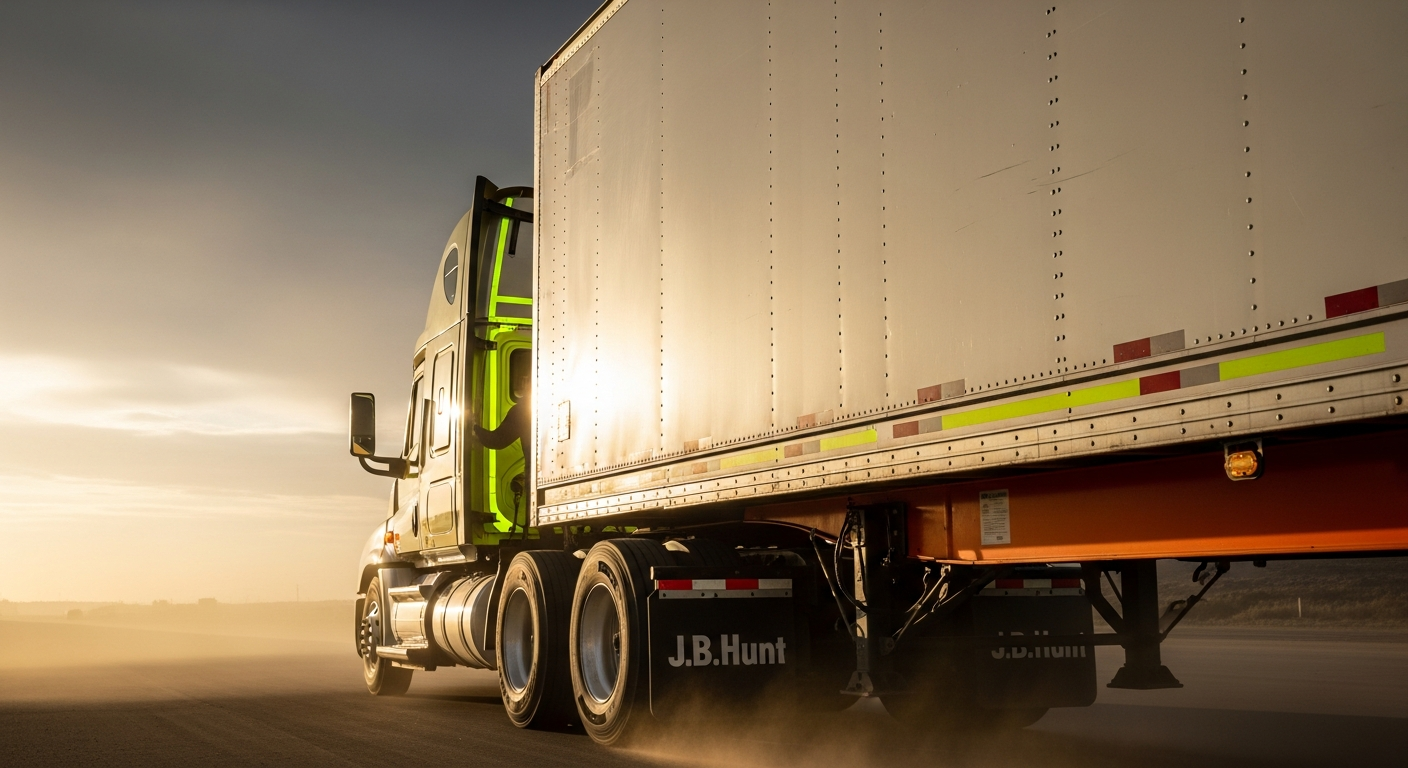
Public carriers like ArcBest, J.B. Hunt, and Knight-Swift have the advantage of access to capital markets for acquisitions. However, Boothe noted that cultural integration is often the biggest hurdle. “When you acquire a company, you’re not just buying assets; you’re buying people and processes. If the cultures clash, the deal fails,” he said.
ODW’s strategy is to grow organically and through tuck-in acquisitions that align with its values. For example, ODW recently expanded its cross-border capabilities, capitalizing on the surge in Mexico trade. As we discussed in our earlier post on Mexico cross-border trade surges: $87B in May, this corridor is a major growth area for carriers with the right infrastructure.
What This Means for Drivers and Carriers
For CDL drivers, the choice between a private and public carrier often comes down to culture and compensation. Private carriers like ODW may offer more flexibility and a closer-knit environment, while public carriers can provide higher base pay and stock options. However, with diesel prices averaging $3.80 per gallon in 2025 and spot rates fluctuating, drivers should evaluate total compensation packages, including benefits, home time, and equipment quality.
Carriers, on the other hand, must decide whether to remain private or pursue an IPO. The decision impacts everything from regulatory compliance to driver recruitment. As the industry faces increased scrutiny—like the recent DOT & DHS crackdown on CDL mills—private carriers often have more leeway to implement safety programs without shareholder pressure.
The Role of Technology and Data
ODW Logistics leverages technology to optimize routes and reduce empty miles, a key factor in profitability. Boothe highlighted that private carriers can adopt AI and data analytics at their own pace, without the need to justify every expense to investors. This aligns with the growing trend of shadow AI in trucking, as explored in our article Think Your Trucking Fleet Isn't Using Much AI? Think Again.
For drivers, technology means better dispatch, fewer delays, and more predictable schedules. On our platform, we match drivers with carriers that prioritize these efficiencies. With over 4,573 drivers and 530,341 FMCSA-verified carriers indexed, we help you find the right fit in an average of 24 hours.
Conclusion: Choose Your Path
Whether you’re a driver looking for a stable career or a carrier planning your next move, understanding the private vs. public dynamic is crucial. ODW Logistics proves that private companies can compete by focusing on culture, long-term strategy, and smart growth.
If you’re a CDL driver seeking a carrier that values your time and safety, apply for a CDL job today. For carriers looking to optimize their recruitment and retention, see our carrier pricing to learn how we can help.
FAQ
Q: What are the main differences between private and public trucking companies?
A: Private companies are not traded on stock exchanges, allowing them to focus on long-term goals without quarterly earnings pressure. Public companies have access to capital markets but must satisfy shareholders, often leading to a focus on short-term profits. Private carriers tend to have lower driver turnover and more flexible cultures.
Q: How does ODW Logistics maintain its culture while growing?
A: ODW grows organically and through selective acquisitions that align with its values. They prioritize cultural integration and invest in driver pay, safety, and technology without the pressure of public market expectations.
Q: Should I choose a private or public carrier as a CDL driver?
A: It depends on your priorities. Private carriers often offer better work-life balance and a family atmosphere, while public carriers may provide higher pay and stock options. Evaluate total compensation, home time, equipment, and company culture before deciding.
FAQ
Frequently Asked Questions
Free · AI-Powered
Find your best carrier match
Our AI analyzes your CDL class, experience, and location to surface carriers with the best pay, home time, and culture fit — in under 60 seconds.
Get Matched Freearrow_forwardKeep Reading
Related Articles
 Market Intel
Intermodal's Historic Growth: What Drivers & Carriers Need to Know
 Market Intel
132 lbs Cocaine Hauled in Truck Tractors: Florida Bust
 Market Intel